

How to host an unforgettable Korean banquet at home?
A feast like in Korea, but at home
Last week, to mark the end of my holidays and share a precious moment with my loved ones, I decided to prepare a homemade Korean feast. Not a classic meal, but a true convivial dinner, with a multitude of dishes, textures, and temperatures, just like I'm used to experiencing when I visit my friends in Korea. My children, siblings, and some of my friends haven't had the chance to visit Korea yet, and I wanted them to experience the atmosphere of the very friendly dinners you can have there!

I was also in Provence, with a multitude of excellent fresh products, so it was the perfect place to mix them with the Korean ingredients from my grocery store.
This feast was also an opportunity to test how to organize efficiently when you want to offer a wide variety of Korean dishes—some cold, others hot, some to be prepared in advance, others to be cooked at the last minute.
The goal of this article is not to share recipes in detail, but to show concretely how to plan a feast by thinking about the right sequence of tasks, what can be anticipated, and the adjustments to be made during the day.
In short: a return on experience to help those who would like to embark on organizing a complete Korean meal, without panicking when it's time to eat!
🥢 The Menu: what I served that evening for 11 people
Here's what I had planned for our 9 PM feast:

- Appetizer: iced ginger extract.
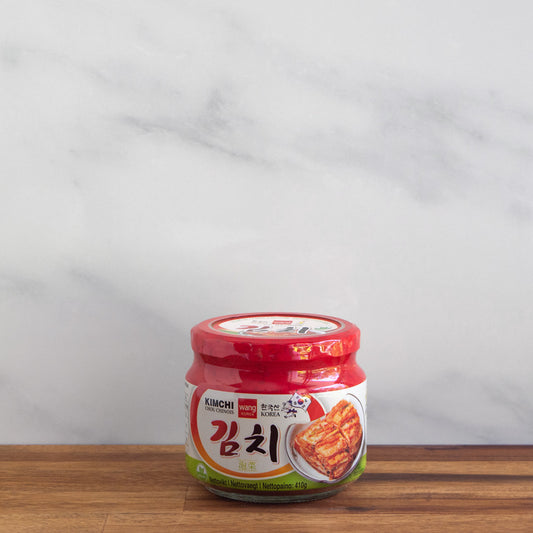
- Assorted Kimchis: cabbage, radish, cucumber, tomato (homemade in advance)
- Glazed Eggplant (cold dish)
- Scallion Salad (fresh and spicy, very quick to make)
- Gimbap (Korean rolls made with seasoned rice and sesame oil)
- Boiled Pork Ssam (Dwaeji Suyuk) + garnishes (lettuce, herbs, homemade ssamjang, garlic)
- Beef Bulgogi (the classic Korean barbecue)
- Grilled Pork Belly with Gochujang (Jeyuk Bokkeum)
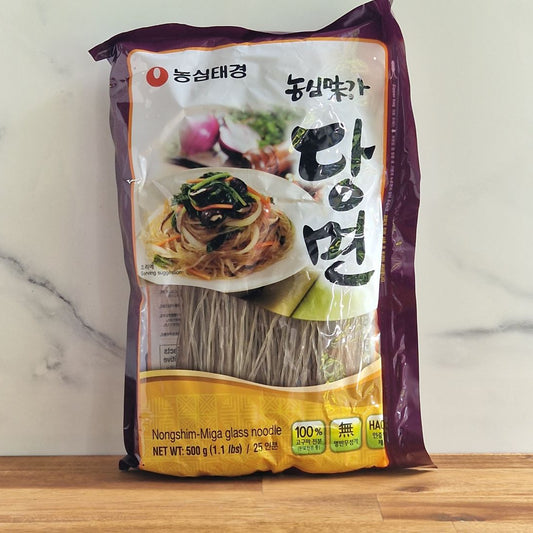
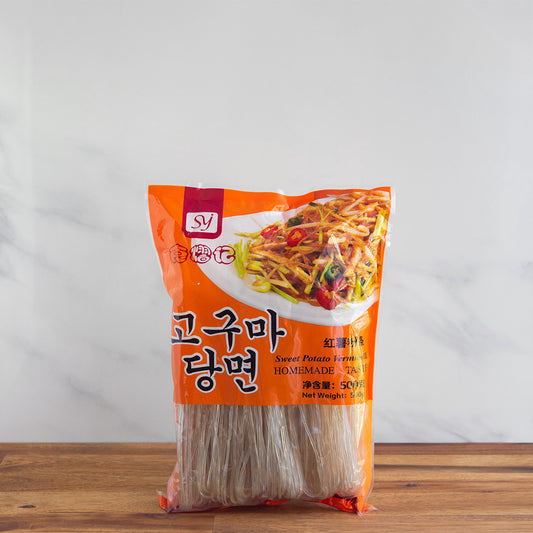
- Cold Perilla Oil Noodles (Ganjang Deulgileum Bibimguksu)
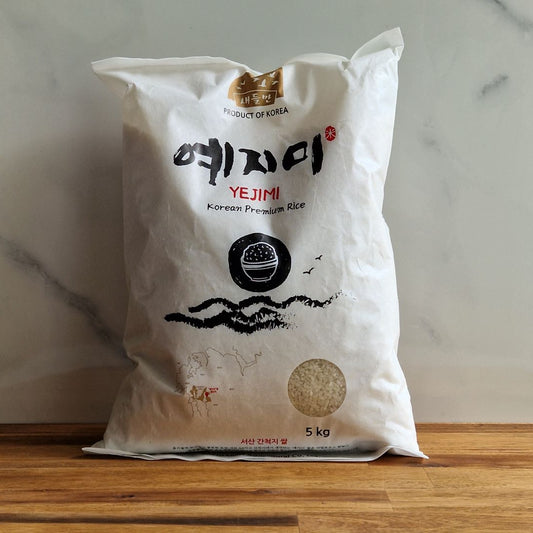
- Plain Rice
- Doenjang Jjigae (fermented soybean paste stew)
Initially, I had also planned Kimchi Jeon (kimchi pancakes), but I decided to remove them at the last minute because I was afraid they wouldn't be crispy enough, and because 14 dishes were already quite a lot!
🗓️ My Organization Plan: gentle yet efficient
Here's the cornerstone of this successful dinner: a clear plan, designed to avoid panic and maintain enjoyment until the last minute. The idea is to do as much as possible in advance, progressively, to have the least amount of cooking to do at the last moment.
✔️ D-7: Long-lasting preparations
- Kimchis: to be made in advance (cucumber, radish, cabbage, cherry tomatoes)
✔️ D-1: Preparations that can be kept refrigerated for 24 hours
- Glazed eggplant
- Meat cuts and marinating for at least 12 hours (pork belly and beef)
- Preparation and rolling of gimbap (cutting kept for the last minute)

- Preparation of homemade ssamjang and refrigeration
- Preparation of boiled pork belly, and refrigeration.

⏰ D-day – 9 AM to 11 AM: Gentle setup.
The idea here was to do all the cutting and sauces and store everything in the fridge to assemble in the evening at the last minute.
- Doenjang Jjigae broth, cutting and refrigerating zucchini and tofu.
- Preparation of scallion salad: cutting and refrigerating scallion strands in a container with paper towels. Preparation of the sauce, and refrigerating, seasoning in the evening at the last minute.

- Cutting of boiled pork belly
- Preparation of the sauce for black rice noodles with perilla.
⏰ D-day – 4 PM to 6 PM: Final preparations before the rush
At this time, the goal is simple: clear the work surface, finalize everything that can be done without compromising freshness, and prepare the cooking equipment.
- Arrange cold dishes in pretty bowls or containers, and put them back in the fridge: kimchi, eggplant.
- Arrange condiments in pretty bowls or ramekins.
- Prepare the Ssam platter: lettuce, shiso, garlic, green chili → washed, drained, stored on a large platter covered with a damp cloth.
- Prepare the cooking areas: I had a stove with a special grill for bulgogi as well as a griddle.

⏱️ Home Stretch: 7:45 PM to 9:00 PM – the "serving" phase
Here, no rushing: everything is timed so that hot dishes arrive at the right temperature and the kitchen remains fluid. At this point, I started entrusting some tasks to my loved ones!
7:45 PM
- Take marinated meats out of the fridge to bring them to room temperature.
- Gently reheat the Doenjang Jjigae broth over low heat, and add the zucchini and tofu.
8:00 PM
- Start cooking the rice (rice cooker or pot).
- It will be ready around 8:40 PM, then keep warm.
8:10 PM
- Bring a pot of water to a boil for the cold noodles.
- Prepare a colander + a large bowl of iced water.
8:15 PM
- Cook the noodles, rinse thoroughly with iced water, drain well.
- Set aside without sauce (it will be added at the last minute).
8:30 PM
- Cook the beef bulgogi → high heat, quick cooking.

- Cut and plate the gimbap.
- Mix the scallion strands with the prepared sauce.
8:40 PM
- Cook the spicy pork bulgogi (that evening, I cooked it on a griddle)
- Mix the cold noodles with soy sauce + vinegar, plate and decorate, then season with perilla oil.
8:45 PM
- Gently aerate the rice in the cooker if necessary.
- Prepare the non-alcoholic cocktail with ginger extract by preparing glasses with 1/5 ginger extract, 4/5 iced water, and ice cubes.
8:50 PM
- Arrange the ssam platter, adding the boiled pork and ssamjang to the large platter with shiso and lettuce.

- Place the cold dishes (kimchis, gimbap, eggplant, scallions) and condiments on the table.
9:00 PM
- Arrange the grilled meats (beef and pork) and the hot stew on the table.
- Distribute the iced ginger drinks.
The feast is ready, it's time to enjoy! Remember to explain to your guests how to use all the ingredients on the table, especially the Ssam!

✅ Review and tips if you want to try it
It was truly very successful, ready on time (a feat for me!), and there were no leftovers!
A Korean feast at home is not just for experts. With a simple and well-prepared plan, you can offer a rich, varied, generous dinner — without stress!
Here's what I learned from this experience:
- Prepare as much as possible in advance, even the small details. For example, prepare and cut a large quantity of garlic and scallions in advance; you'll use them for almost all dishes!
- Hot dishes should be limited in number or very quick to cook.
- Favor contrasting dishes (cold / hot, crunchy / soft, acidic / fatty) to create a true balance at the table.
- Don't hesitate to simplify along the way. For example, I removed the Kimchi Jeon at the end of the day because I was afraid they wouldn't be crispy enough.
-
Watch the salt: I made many quite salty dishes, and my homemade ssamjang was a bit too salty, so reduce the amounts of doenjang and soy sauce in the condiments.
- Ask for help for the last hour, by entrusting a few key tasks to those around you!
- Think carefully about the containers you will use for storage and serving; don't underestimate the plating time!
Finally, it is of course the guests who make a banquet successful, so thank you to my wonderful guests for this magnificent moment. ❤️







2 comments
Pourquoi pas !?
Sympa, est-ce qu’on peut être invitée pour le prochain festin ? 😁