What is Korean ginseng (인삼)?
Korean ginseng, or insam (인삼) in Korean, refers to the root of Panax ginseng, a plant cultivated for centuries in South Korea. The Geumsan region, renowned for its expertise, is today one of the country's main production areas. The word insam literally means “human root”, a name inspired by the characteristic shape of the root, whose branches evoke arms and legs.
For many people, discovering ginseng starts with its taste. It often surprises at first tasting: bitter and woody at first, it develops earthy notes before leaving a slightly sweet finish. This aromatic palette makes it a unique ingredient in Korean cuisine, used in savory dishes as well as in drinks or sweeter products.
Depending on how it is prepared, ginseng comes in different forms: infusion, concentrated extract, syrup or candies. Each offers a different way to discover this emblematic root, found both in traditional recipes and in more contemporary culinary uses. It is this diversity that we invite you to discover in our selection of Korean ginseng.
Ginseng in Korean cuisine
In Korea, ginseng is above all a cooking ingredient. One of the most emblematic recipes is samgyetang (삼계탕), a whole chicken stuffed with glutinous rice, jujubes and ginseng, slowly simmered in a fragrant broth. Contrary to what you might think, this dish is traditionally enjoyed during sambok, the three hottest days of summer. This custom is based on the idea of serving a hot dish when temperatures are at their highest.
If you would like to discover this specialty, find our complete recipe:
Ginseng is the ingredient that gives samgyetang its identity. Without it, the dish becomes baeksuk, a simmered chicken cooked in a similar way, but without ginseng. This distinction is well known in Korea and shows that the root is an integral part of the traditional recipe.
For a quick option, you can also discover our soup mix.
Ginseng is also enjoyed as insam-cha (인삼차), a traditional infusion appreciated for its woody, slightly bitter aromas. Today, it also has a place in more contemporary uses. Ginseng syrup can flavor a vinaigrette or a marinade, or bring an original note to certain desserts, while keeping its aromatic character.
If you enjoy discovering Korean broth-based specialties, also see our selection of Korean soups.
Extract, syrup, infusion or candies: which form of ginseng should you choose?
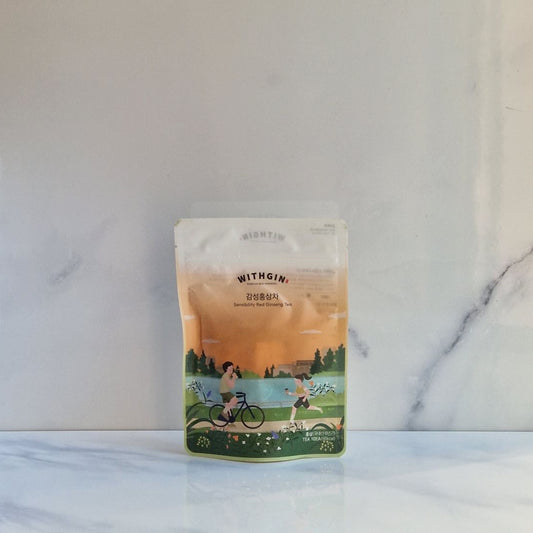
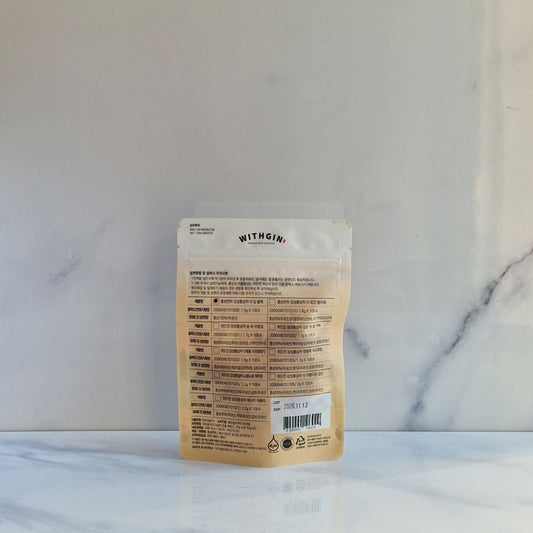
If you are discovering Korean ginseng for the first time, the easiest way is to start with a ginseng infusion. Sold in tea bags, it lets you discover the characteristic aromas of ginseng without any particular preparation. Its taste, at once woody, slightly bitter and delicately sweet on the finish, can be enjoyed hot or warm.
The ginseng syrup, available in a 700 g format, is the most versatile in the kitchen. It can be diluted in a hot or cold drink, but also used to bring an original note to a marinade, a vinaigrette or a dessert. It is the most suitable form if you want to include ginseng in your cooking.
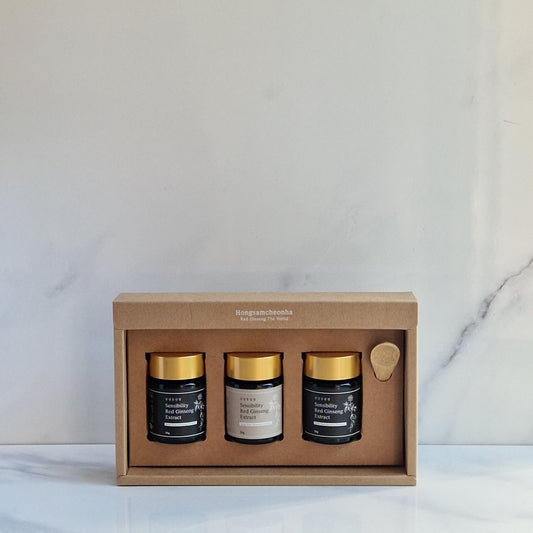
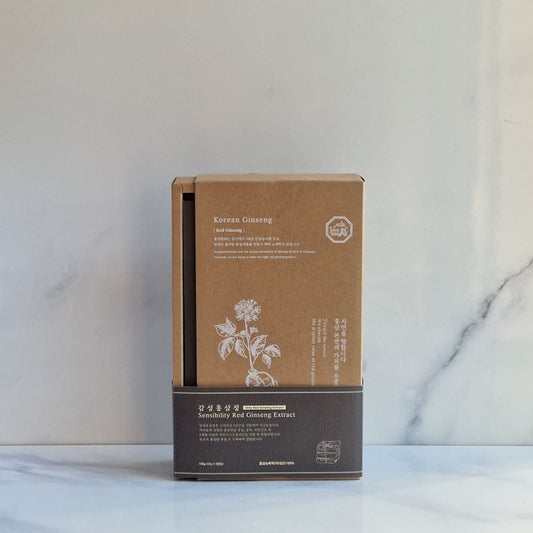
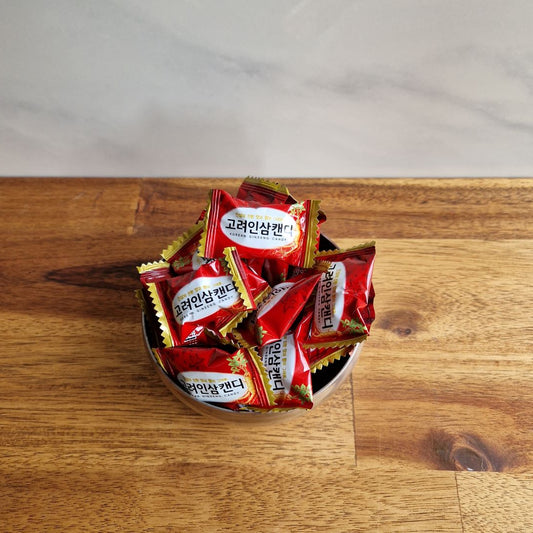
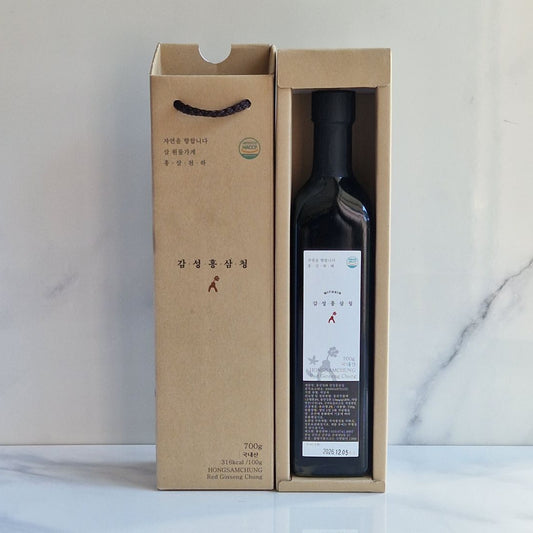
The red ginseng extract comes as a thick jelly. It dissolves easily in hot or cold water according to preference and offers a traditional way to enjoy red ginseng (홍삼). Finally, ginseng candies are a practical option to discover its taste in an easy-to-carry format.
It is also useful to distinguish white ginseng from red ginseng. Both come from the same species, Panax ginseng. The difference lies solely in their preparation: red ginseng (홍삼) is steamed before being dried, whereas white ginseng is simply dried after harvest. So these are not two different varieties, but two processing methods for the same root.
If you enjoy discovering traditional Korean drinks, also see our selection of Korean teas.
How to choose your Korean ginseng?
Choosing a Korean ginseng depends above all on how you want to use it. If you are new to this ingredient, an infusion or ginseng candies are an excellent first approach. If you like to cook, Chung WITHGIN ginseng syrup is the most versatile: it easily fits into drinks, marinades, vinaigrettes or even some desserts. As for the Hongsamcheonha red ginseng extract gift box, it is intended for those looking for a more traditional preparation.
When buying, also check the origin of the product. The products in our collection come from South Korea and Hongsamcheonha products carry the KOREA INSAM label, which certifies their Korean origin.
At Korea Store, we have made a different choice from shops specializing in supplements. We are first and foremost a Korean grocery store: our selection favors products meant to be enjoyed, cooked or integrated into everyday culinary habits. That is why our collection brings together a bag of ginseng candies to discover its flavors as well as an extract gift box or a syrup for more varied uses. Each format meets a different desire, and there is no "best" form in absolute terms.
To discover other essential products of Korean cuisine, also see our guide to essential Korean ingredients.

 Sold out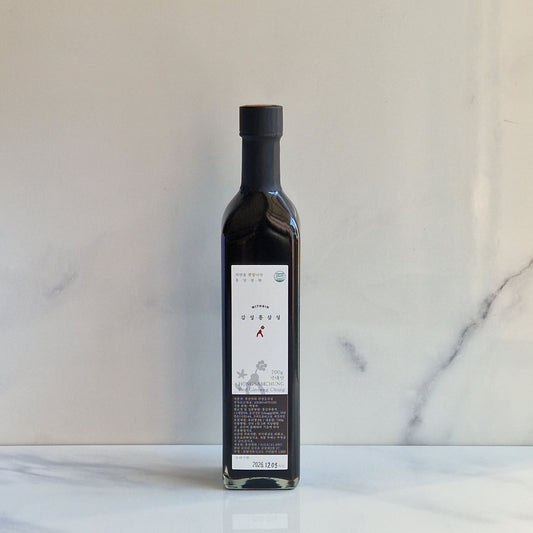
 Sold out