What is a Korean tea?
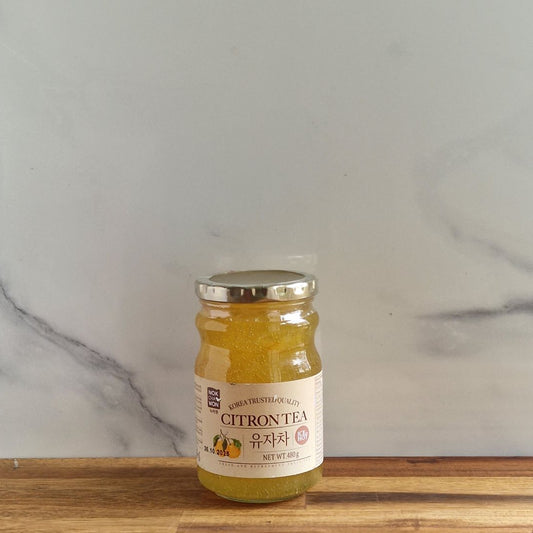
In Korean, 차 (cha) refers both to a drink made with leaves and to a preparation of fruits or roots intended to be diluted. The three products in this collection belong to this second family: yuja-cha (유자차) with citron, daechu-cha (대추차) with jujube and saenggang-cha (생강차) with ginger.
These preparations contain no tea leaves. They combine pieces, pulp or roots prepared with sugar, in a texture somewhere between jam and syrup. One tablespoon in a large cup of water is then enough to make a hot or cold drink.
This distinction is important for understanding Korean tea: in South Korea, the word cha covers several types of drinks, including these preparations to dilute. They have a place in particular among the hot drinks served during the cold season.
Citron, jujube, ginger: three Korean teas, three profiles
Korean citron tea, or yuja-cha, is made with yuja, an Asian citrus fruit close to citron and yuzu, but which is not the same fruit. Yuja has a floral and tangy profile, less directly lemony than an ordinary lemon. Its peel and pulp are candied in sugar, which gives a fragrant preparation with pieces of peel.
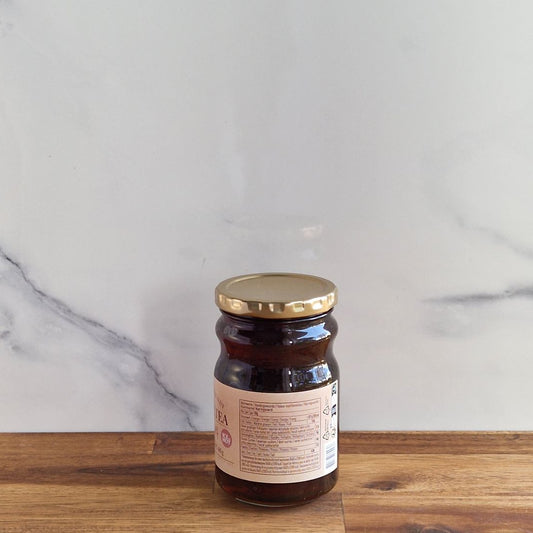
Jujube tea, daechu-cha, offers a different profile: sweeter, caramelised and slightly spicy. Jujube brings a fruity note reminiscent of certain dried fruits.
Ginger tea, saenggang-cha, is the most forthright of the three. Ginger brings a hot, pungent sensation, with a characteristic taste that remains clearly present once diluted.
To discover Korean yuzu tea in the sense in which yuja is sometimes referred to in France, you can also go directly to our Korean citron tea (yuja-cha).
How to prepare a Korean tea?
To prepare a Korean yuja, jujube or ginger tea, allow one to two tablespoons in a large cup of hot water, then stir until the drink is smooth. The quantity can be adjusted to taste, since these preparations are sweetened.
They can also be drunk cold: use the same preparation with cold water or add ice cubes for a summer drink. You can find other ideas in our selection of Korean summer recipes.
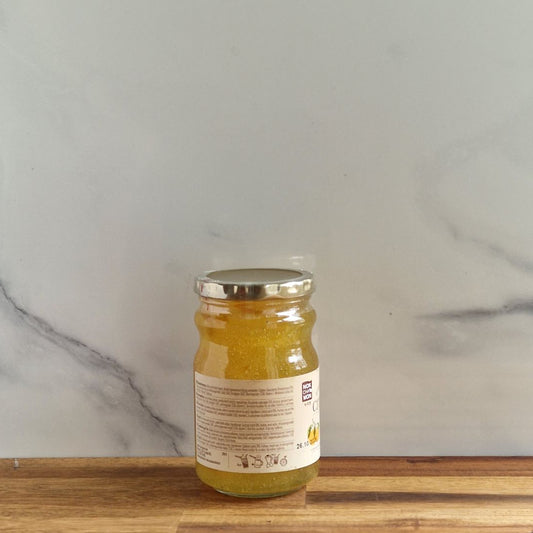
The 480 g jars keep at room temperature before opening and in the refrigerator after opening. They are therefore shipped without refrigerated delivery.
Which Korean tea to choose?
The choice depends above all on the flavour profile you are looking for. For a tangy, citrusy drink, yuja is the most obvious choice. Jujube is better suited to those who enjoy sweet, caramelised notes, while ginger offers a more pungent and pronounced taste.
For a first try, I would recommend yuja: its combination of citrus, sugar and candied peel makes it easy to understand this type of Korean preparation without starting with the most pungent profile.
The three products come in the same 480 g format and at around 7 €. The choice is therefore mainly a matter of taste and of how you wish to drink your preparation, hot in winter or lengthened with iced water in summer. For the cold season, you can also consult our selection of Korean winter soups.
Our Korean teas at Korea Store
The three products in this collection are made in South Korea by Nokchawon: citron tea, jujube tea and ginger tea. Each jar contains 480 g of preparation to dilute and costs around 7 €.
This deliberately narrow selection covers three clearly different flavour profiles while staying in a single format. These products are available in our Korean sweet grocery section and are shipped from France.