

Temperatures are starting to drop. Nothing beats a bowl of Doenjang Jjigae to warm you up. This fermented soybean paste stew is a staple of Korean cuisine, easy and quick to prepare. Discover how to make this delicious dish at home with simple ingredients.
Personally, I highly recommend using artisanal doenjang, which will give your stew a real delicate flavor.

👩🍳 Ingredients
For 2 people:
- 500 ml dashi broth or, failing that, vegetable broth.
- 1 tablespoon vegetable oil
- 1/2 chopped onion
- 1 zucchini cut into half-discs
- 100 g mushrooms (shiitake, button mushrooms, etc.)
- 1 small chopped scallion
- 2 teaspoons minced garlic
- 4 tablespoons fermented soybean paste (Doenjang) Jookjangyeon
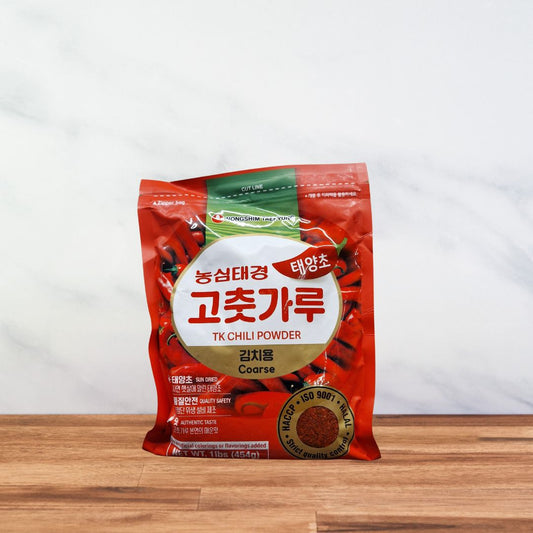
- 1 teaspoon gochugaru
- 200 g firm tofu cut into rectangles
⏱️ Duration
- Preparation: 10 minutes
- Cooking: 25 minutes
- Total time: 35 minutes
🔪 Preparation
- Prepare the dashi broth. In a saucepan, prepare 500 ml of dashi broth and set aside.
- Sauté the vegetables. In a large saucepan, heat 1 tablespoon of vegetable oil over medium heat. Add the chopped onion, zucchini half-discs, and mushrooms. Cook for 5 to 7 minutes until the onion is tender.
-
Add the broth. Pour the dashi broth into the saucepan. Add the chopped scallion, 2 teaspoons minced garlic, 4 tablespoons fermented soybean paste (Doenjang) Jookjangyeon, and 1 teaspoon gochugaru.

-
Add the other ingredients: Add the chopped scallion, 2 teaspoons minced garlic, 4 tablespoons fermented soybean paste (Doenjang) Jookjangyeon, and 1 teaspoon gochugaru.

- Simmer. Bring to a boil, then reduce heat and simmer for about 20 minutes, until all vegetables are well cooked.
-
Add the tofu. Incorporate the firm tofu rectangles into the saucepan and cook for another 5 minutes.

- Serve. Pour the hot Doenjang Jjigae into bowls and serve immediately.

📌 Tips and tricks
- Vary the vegetables: Add potatoes or squash for an even more comforting or autumnal version.
- Not spicy: For a non-spicy version, you can certainly remove the gochugaru.
- Tofu: Use firm tofu so it retains its texture in the stew.
Video available on Instagram.







3 comments
Bonjour Tifa,
Ca peut dépendre effectivement du doenjang utilisé ou du bouillon utilisé (certains sont déjà salés au départ). Dans tous les cas, je vous recommande d’y aller progressivement sur le doenjang pour vérifier la salaison au fur et à mesure !
Pierre (Korea Store)
Bonjour , j’ai suivi votre recette a la lettre ( hormis pour le bouillon j’ai mis un bouillon de légumes je précise sans sel ) mais alors c’était extrêmement salé, il a fallu que je rajoute presque 1l d’eau supplémentaire. Est ce que je le suis planté quelque part ou mon doejang est trop salé peut être ?
Appétissant. 100%