

Gimbap (김밥) is a staple of Korean cuisine, often taken on picnics, spring outings, or for a quick meal. Its name comes from "gim" (dried seaweed) and "bap" (rice), the two basic elements of this colorful and balanced roll.
This dish, similar in shape to Japanese maki, is distinguished by its use of distinctly Korean ingredients: crunchy vegetables, fluffy omelet, stir-fried beef, or pickled yellow radish (danmuji). All rolled in a crispy gim sheet lightly oiled with sesame.
Easy to prepare, economical, endlessly customizable... it's a complete meal, to be enjoyed cold or at room temperature. Perfect for lunchboxes or aperitifs with friends.
⏱️ Duration:
- Preparation time: 30 minutes
- Cooking time: 10 minutes
- Total time: 40 minutes
📝 Ingredients (for 4 rolls)
For the rice:
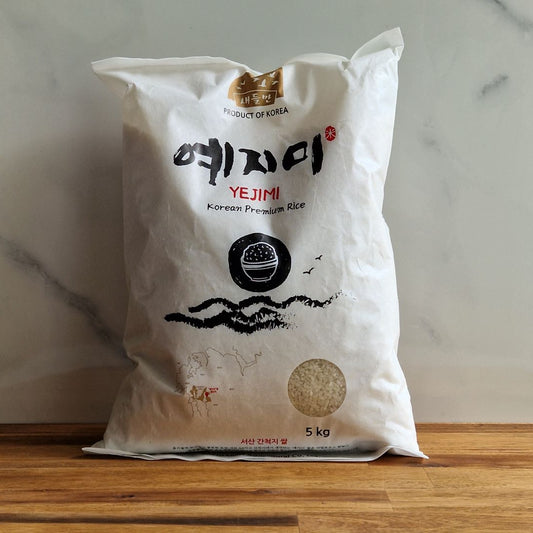
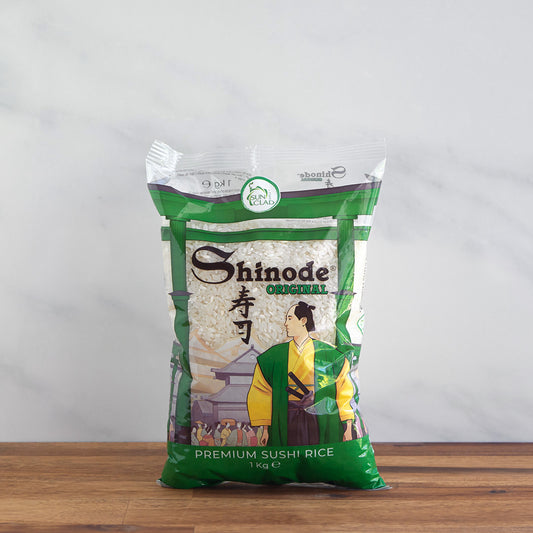
- 600 g cooked Korean short-grain rice (see product)
- 2 tbsp sesame oil
- ½ tsp salt
For the filling:
- 4 sheets of gim seaweed (Korean dried seaweed)
- 1 carrot, cut into julienne strips
- ½ cucumber, deseeded, cut into sticks
- 4 sticks of pickled yellow radish (danmuji) (see product)
- 3 eggs (for a thin omelet)
- 100 g ground beef or ham (or tuna for a seafood version)
- 1 grated garlic clove
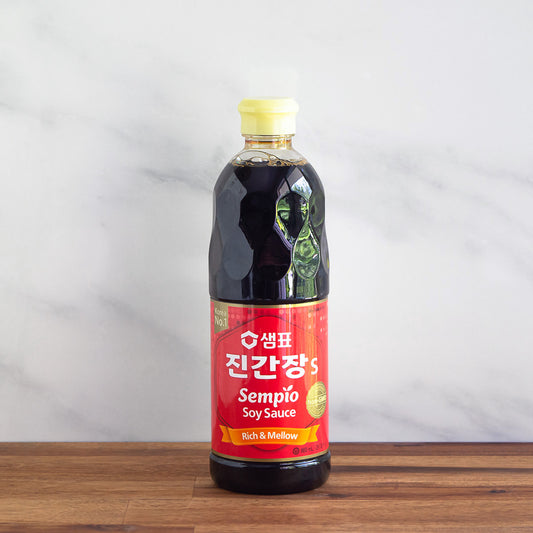
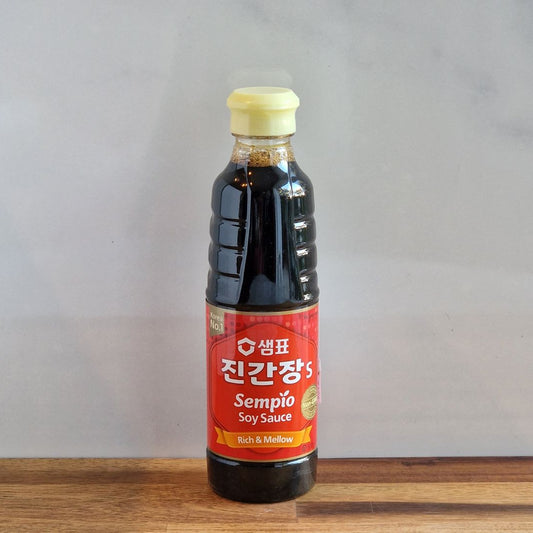
- 1 tbsp soy sauce
- Vegetable oil for cooking
Or opt for the gimbap kit
👩🍳 Preparation:
Season the rice:
- Let the rice cool. Add the sesame oil. Mix gently so as not to crush the grains.
Prepare the fillings:
- Sauté the carrot in a drizzle of oil for 2-3 min.
- Beat the eggs, make a thin omelet, then cut it into long strips.
- If you are making a version with ground meat, mix the meat with garlic and soy sauce, then sauté for 3-4 minutes.
Assemble the Gimbap:
- Place a gim sheet (shiny side down) on a bamboo mat (makisu).
- Spread a thin layer of rice over the bottom 3/4 of the sheet.

- Line up a portion of each filling in the center: carrot, cucumber, danmuji, omelet, meat.


Roll:
- Roll firmly using the mat.
- Lightly moisten the top edge to seal the sheet.
- Lightly oil the roll with a little sesame oil.
Cut:
- Cut each roll into 1.5 to 2 cm slices with a sharp, moistened knife.

💡 Tips & Variations for Gimbap.
Tips:
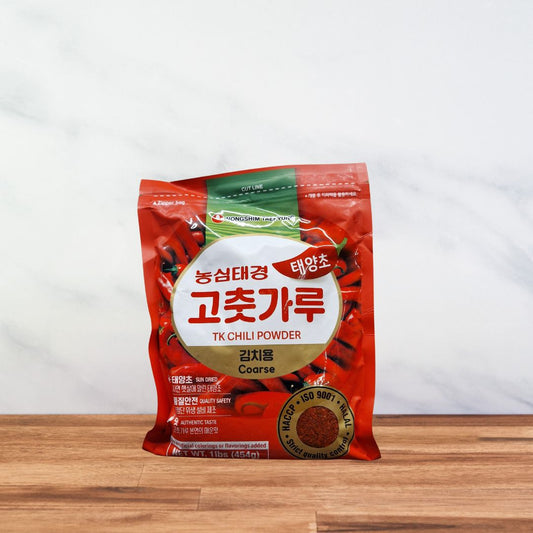
- Don't hesitate to lightly sprinkle your rolls with sesame seeds or a little gochugaru (Korean chili powder) before cutting, to add an extra visual and taste touch.
- Brushing the rolls with sesame oil before cutting prevents them from sticking.
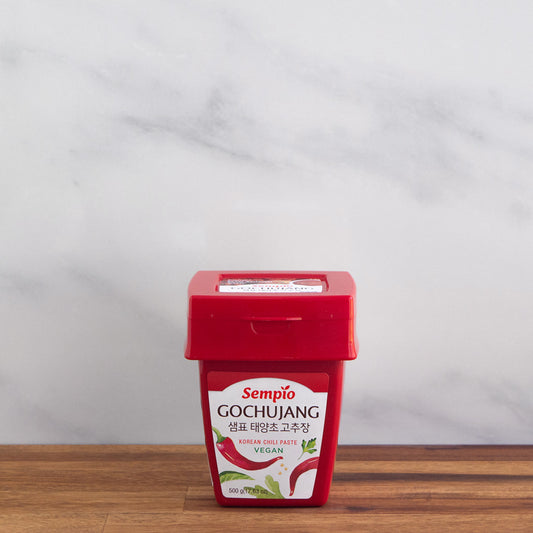
- Serve with danmuji as a side dish, or a dab of mild gochujang for dipping.
4 original filling ideas:
Gimbap with marinated and grilled tofu (balanced vegetarian version)
Cut firm tofu into sticks about 1 cm thick.
Marinate for 15 minutes in a mixture of soy sauce, grated garlic, sugar, and sesame oil.
Grill over medium heat until golden on all sides.
Place 1 to 2 sticks in the center of the rice, replacing the meat.
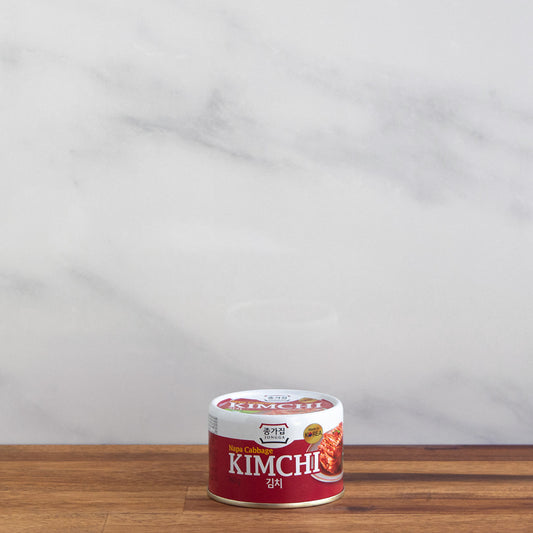
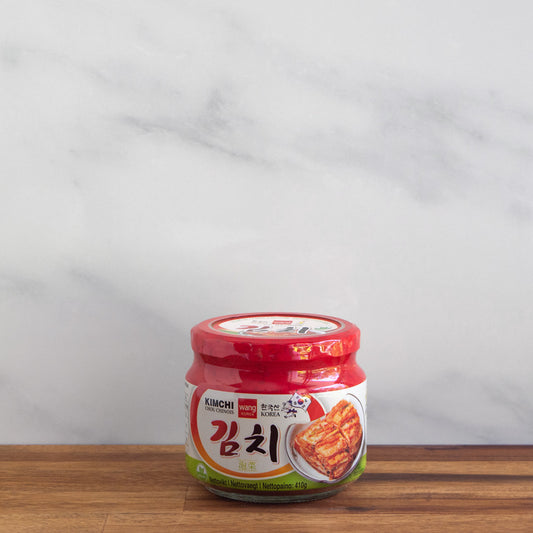
Gimbap with chopped and pan-fried Kimchi (for a spicy fermented taste)
Carefully drain the kimchi to remove excess juice.
Chop it finely, then sauté in a pan with a drizzle of sesame oil for 2-3 minutes.
Add a spoonful of pan-fried kimchi to the rice, in addition to the omelet or tofu.
Gimbap with crab and Korean mayonnaise (Kani-mayo) (a soft and creamy version)
Shred crab meat (or two surimi sticks per roll).
Mix with a spoonful of Korean mayonnaise (Kewpie type for more umami).
Place this creamy mixture directly on the rice, and add a few cucumber sticks for freshness.
Gimbap with avocado and chicken (for a modern fusion touch)
Cut ripe avocado into thick slices.
Grill a chicken cutlet, then cut it into thin slices.
Arrange the chicken and avocado slices alternately on the rice before rolling.
For those who have seen season 2 of Squid Game, you'll understand that the presence of the fork in the Gimbap lunchbox is more to spice up the plot than to help participants eat their gimbap better!







2 comments
G la felme de le Faire mais ca a Lair bon
Miam !