What is a fermented Korean syrup (cheong)?
Cheong(청) is a fermented Korean syrup made by macerating fruits or plants with their weight in sugar, without cooking. Over weeks or months, the sugar naturally extracts the juice from the ingredients, and the maceration develops more complex flavors than a classic syrup prepared on the stove.
In Korea, cheong is one of the ingredients found in many pantries, alongside fermented sauces, vinegars, and seasoning oils. It can be used to replace sugar or honey in a recipe, or to add a tangy touch to a marinade or vinaigrette. To discover other essential Korean cuisine items, consult our guide to basic Korean ingredients.
Maesil, omija, ginger: what Korean fermented syrups and extracts are there?
Each cheonghas its own aromatic profile and culinary uses. At Korea Store, our selection brings together three main families of fermented syrups and extracts, made from ingredients traditionally used in South Korea.
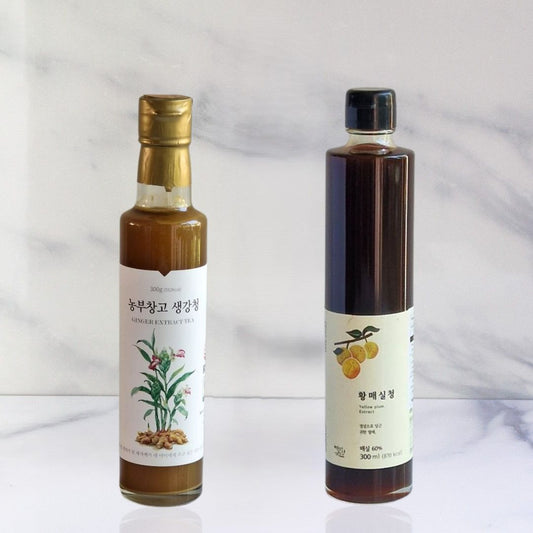
Maesil cheong, or fermented green plum syrup, is prepared from plums harvested in spring and then left to macerate for a long period. Its taste combines a gentle acidity with fruity and floral notes. It is particularly appreciated for seasoning marinades, sauces, or vinaigrettes.
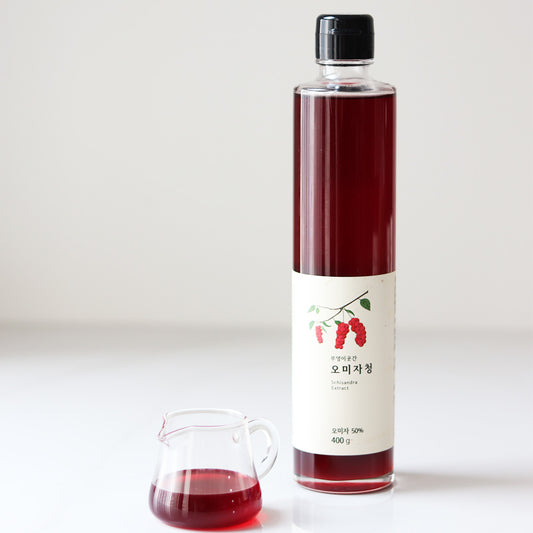
Omija extractis made from the five-flavor berry (Schisandra chinensis). Its name comes from its unique characteristic: a single tasting successively evokes sweet, salty, sour, bitter, and slightly spicy notes. This aromatic richness makes it an interesting ingredient both in cooking and when diluted in a drink.
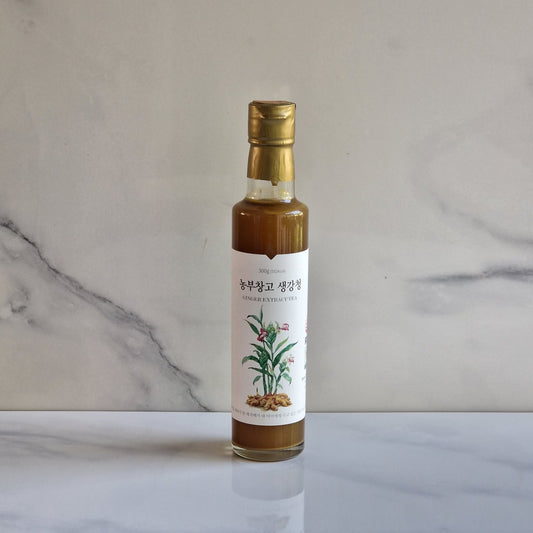
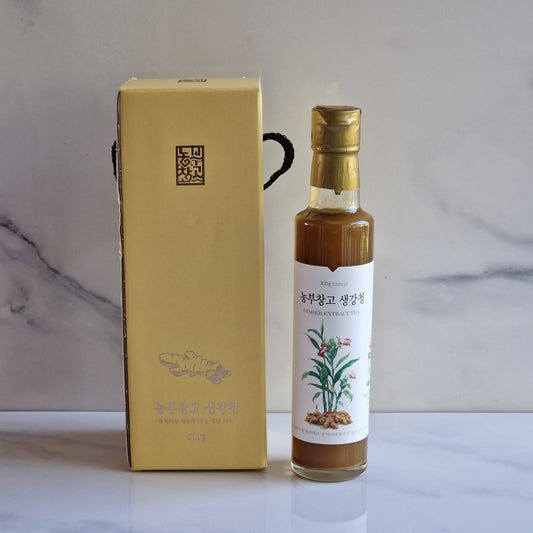
Ginger extractdevelops a more vibrant and warming profile. It brings characteristic spicy notes that pair well with marinades, sauces, hot drinks, or certain pastries.
How to use a fermented Korean syrup in cooking?
Korean fermented syrups and extracts are primarily cooking ingredients. They can replace sugar or honey in a recipe, while also providing a natural acidity and aromatic depth not found with regular sugar.
They are also widely used to glaze meat before or during cooking. One to two tablespoons of cheongare enough to prepare a bulgogi marinadeor add a slight shine to Korean fried chicken.
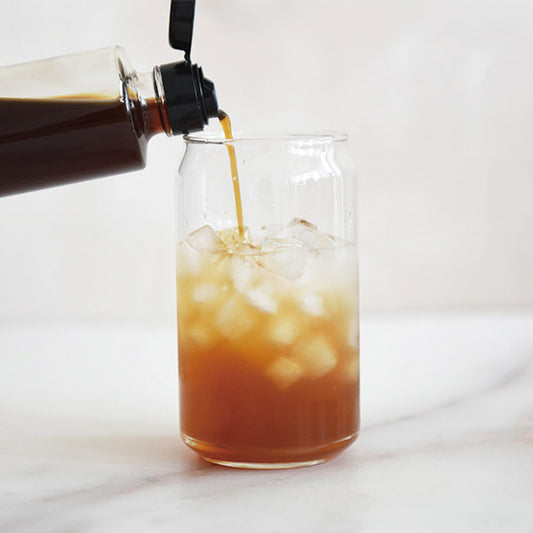
Cheongcan also replace vinegar in a vinaigrette when a milder acidity is desired, or be used in preparing sauces such as bibimguksu. Finally, it can be consumed as a drink, simply diluted at a ratio of one volume of syrup to five volumes of iced sparkling water. However, this use remains secondary compared to its role as an ingredient in Korean cuisine.
How to choose your fermented Korean syrup?
To choose a fermented Korean syrup, the first step is to read the ingredient list. A quality maesil cheonggenerally contains only green plums and sugar, without unnecessary flavorings, colorants, or additives. The maceration or fermentation time is also a good indicator, as it allows the flavors to develop naturally.
The manufacturing method also deserves your attention. Artisan productions favor long fermentation and careful handling of raw materials, while more industrial products primarily seek consistency. Finally, don't rely solely on the format: a 300 ml bottle is used in small quantities and accompanies many recipes for several weeks.
Our selection of fermented syrups and extracts
At Korea Store, we have selected fermented syrups and extracts made in South Korea using traditional methods. Among them, maesil cheongis prepared from green plums harvested in May and then fermented for two years by the producer Owl's Storeroom. This maturation time allows it to develop a balance between sweetness, acidity, and fruity aromas.
Our selection also includes omija and ginger extracts, designed for both cooking and beverages. Before opening, these products can be stored at room temperature. After opening, it is recommended to store them in the refrigerator. Find our entire Korean savory grocery selection, available for delivery throughout France.
 Sold out
 Sold out