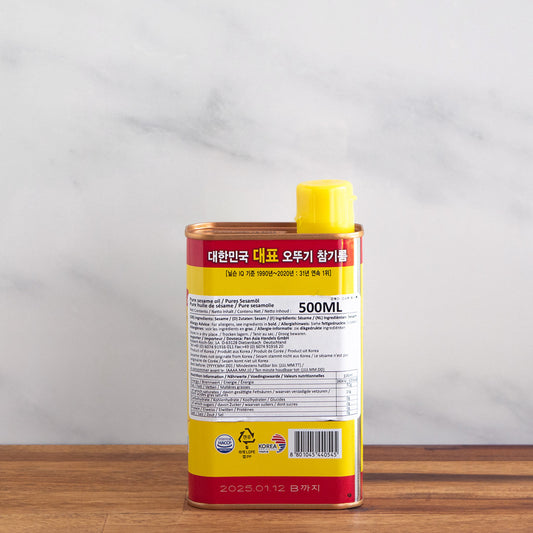
What is Korean sesame oil (cham gireum)?
Cham gireum (참기름) is a Korean sesame oil made by roasting and then pressing sesame seeds. This process gives it its amber color and characteristic nutty, toasted aromas. In Korea, it's not just used for fat content; it's a true condiment, found in most family kitchens.
Koreans look for what they call goh-soh(고소) in this oil, a toasted, rich, and lingering flavor that enhances ingredients without overpowering them. That's why cham gireum is one of the essential Korean ingredients. Just a few drops are enough to add the finishing touch to a bowl of rice, seasoned vegetables, or bibimbap.
How to use Korean sesame oil in cooking?
In Korea, Korean sesame oil is almost always added as a finishing touch, once cooking is complete. Too much heat can diminish the aromas developed during roasting. That's why cham gireum is primarily a seasoning condiment, added just before serving.
The dosage is simple: about one teaspoon per bowl of rice, added as a finishing touch. It is essential in bibimbap recipes, namul like seasoned spinach (sigeumchi namul), japchae, certain bulgogi marinades, and dipping sauces.
Beyond Korean cuisine, it also adds a toasted touch to cucumber salad, green beans, a rice vinegar dressing, or grilled fish. It can also flavor financiers or yogurt ice cream, always added at the end of preparation to preserve its full aromatic richness.
How to choose your Korean sesame oil?
To choose a Korean sesame oil, start by checking its composition: a 100% sesameoil, without added neutral oil, will give you the characteristic taste of cham gireum. The roasting method is also an essential criterion, as it directly influences the intensity of the aromas. Finally, choose the format according to your frequency of use: a 100 or 200 ml bottle is perfect for an artisanal oil used as a finishing touch, while the more generous formats from Ottogi or O'Food are suitable for daily use.
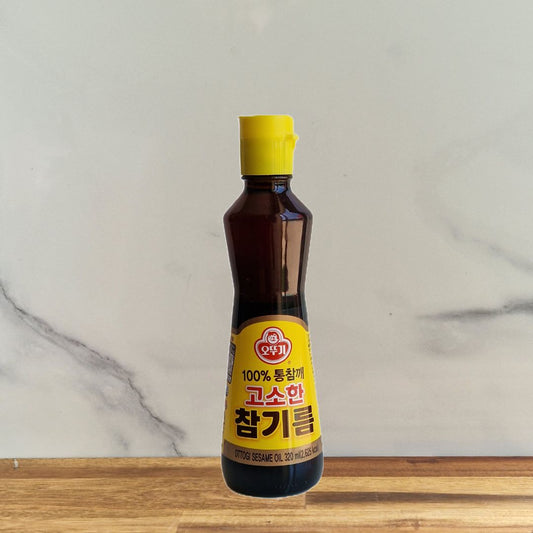
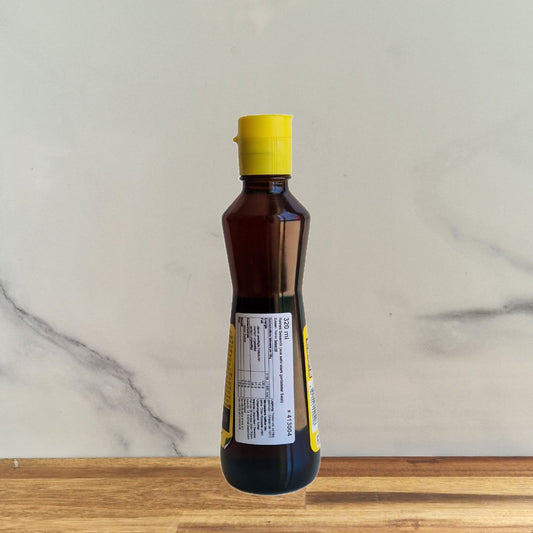
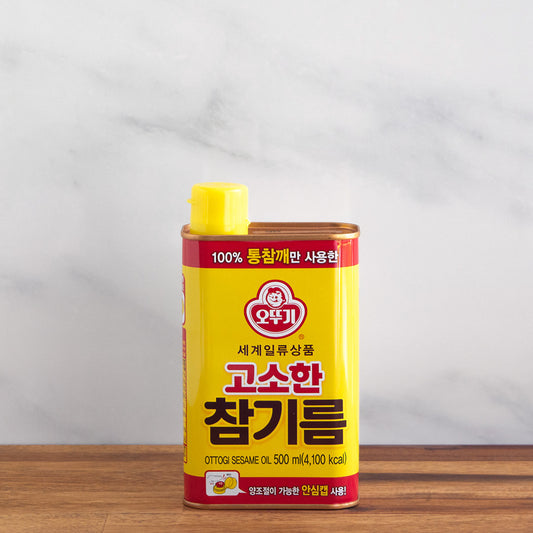
If you regularly cook Korean dishes, Ottogi and O'Food oils are practical references for everyday use. If you want to discover the work of a specialized roaster, Bangyudang oils focus on mastering the roasting process and expressing the aromas of sesame. To complete your seasonings, you can also use roasted sesame seeds, traditionally sprinkled on dishes along with a few drops of sesame oil.
Our selection of sesame oils at Korea Store
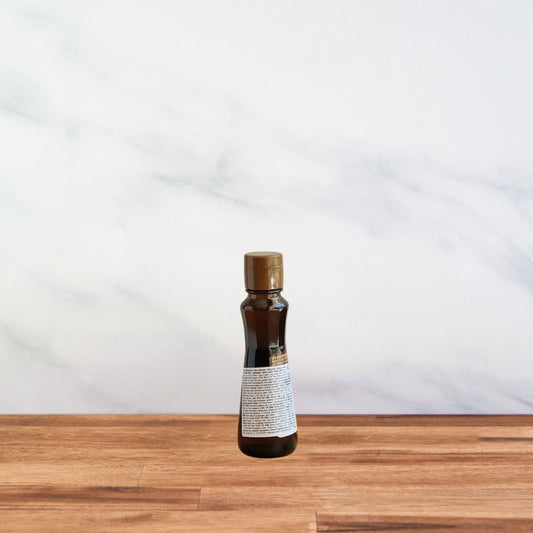
Our selection includes Korean sesame oils suitable for different uses, from everyday references like Ottogi and O'Food to artisanal oils from Bangyudang, Korean artisan of oils.
A family mill specializing in sesame and perilla oils since 1972, Bangyudang has developed its own roasting method, BGST technology. This combines far-infrared roasting, rapid cooling of the seeds, and refining that limits oxidation to preserve the aromatic richness of the sesame without burning the seed. This expertise was notably recognized at the Best Of 2023 at the Gourmet Selection trade show.
To discover different roasting intensities without choosing a large format, the sesame oil discovery duois a good introduction to the Bangyudang universe. All references in this collection are shipped from France.