

Bibimbap is an iconic dish in Korean cuisine. It's a communal dish made with rice, mixed with 5 or 6 blanched and seasoned or stir-fried and seasoned vegetables, usually a fried egg, and especially a sauce made with sesame oil and gochujang, which makes all the difference. It's important to present your bowl beautifully, and just as important to thoroughly mix the rice, vegetables, egg, and sauce before enjoying!

Here, we offer a recipe freely inspired by traditional bibimbap, made with leftover Korean brown rice and seasonal vegetables gathered in early March at the market. You don't have to use all the vegetables and can adapt based on what you have on hand, but we recommend varying the colors and textures for a successful result!
Preparation time:
25 minutes preparation
35 minutes cooking
Servings:
For 3 to 4 people.
Ingredients:
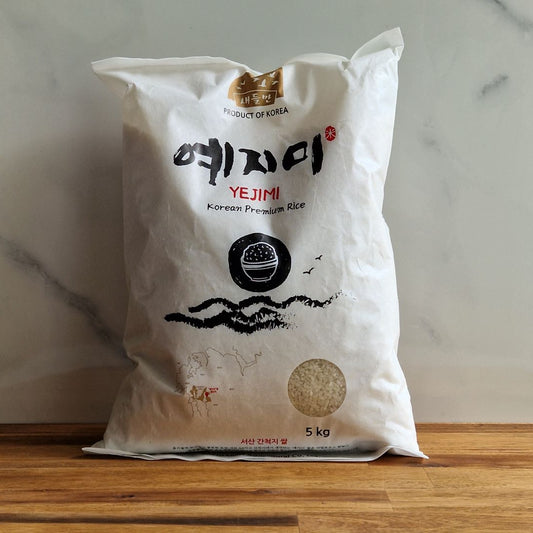
300g short-grain brown rice (or Korean white rice)
2 carrots
2 small turnips
150g fresh spinach
150g oyster mushrooms (you can use shiitake)
150g shredded white cabbage
300g Swiss chard
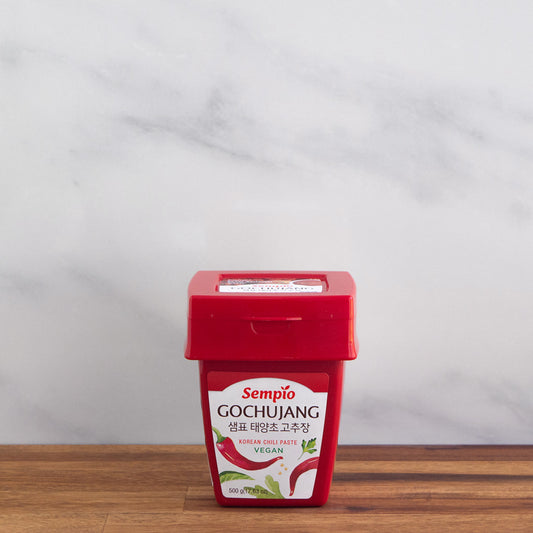
2 tablespoons gochujang
1 tablespoon sesame oil
1 teaspoon sugar
3 to 4 cloves garlic, finely minced
2 tablespoons sesame seeds
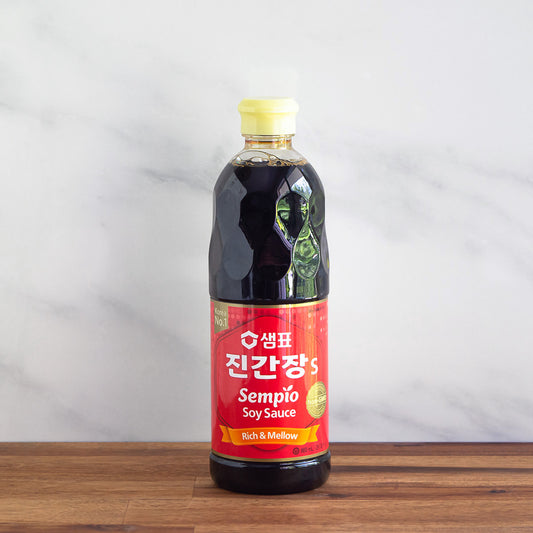
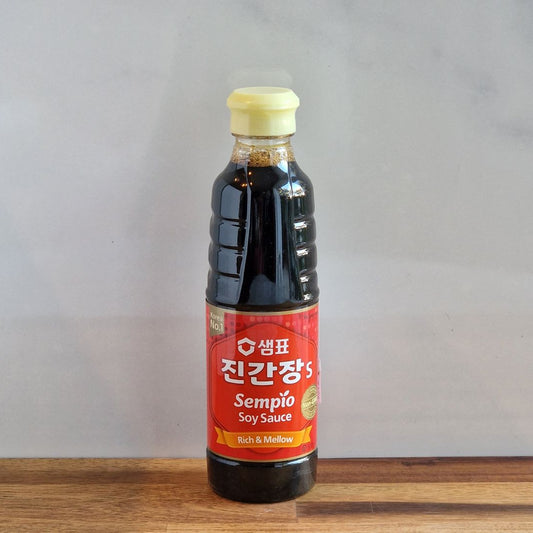
2 tablespoons soy sauce

Preparation:
Cook the brown rice
Rinse the rice with cold water once or twice to remove impurities and dust. Cook covered over medium heat with 1 part water for about 30 minutes, then let it rest (still covered) for 10 minutes.

Prepare the vegetables
Peel the carrots and turnips, cut into julienne.

Slice the oyster mushrooms and cabbage. Rinse the spinach and Swiss chard.

Blanch the spinach
Plunge into boiling salted water for 1 minute. Drain, squeeze lightly, then season with a dash of soy sauce, a hint of sesame oil, and a pinch of garlic.

Sauté the other vegetables separately
In a lightly oiled pan, sauté the carrots for 2 to 3 minutes. Set aside. Do the same for the turnips, then the mushrooms, then the cabbage, then the Swiss chard.

Season each vegetable at the end of cooking with a pinch of salt or a little soy sauce.

Prepare the bibimbap sauce
In a small bowl, mix the gochujang with the sesame oil, sugar, minced garlic, and sesame seeds until you get a homogeneous sauce. You can add water to thin the sauce.

Cook the eggs (optional)
Cook one fried egg per person, with a runny yolk.

Assemble the bowls
Divide the hot rice into each bowl. If using an egg, place it in the center. Arrange the vegetables separately around the bowl. Pour one or two tablespoons of sauce into the center.

Tips:
Possible variations
Integrate grilled tofu instead of the egg.
Replace turnips with finely minced leeks, sautéed for a few minutes.
Add a few young spring shoots to highlight the season!
Preparation, plating, and tasting:
This recipe uses a lot of garlic, so save time during preparation by crushing several cloves of garlic at once with a garlic press, and setting them aside in a bowl for the entire recipe.
For plating, arrange the vegetables around the rice, separately, alternating colors well to create a beautiful visual effect when serving. Don't hesitate to sprinkle with toasted sesame seeds just before serving.
Finally, for tasting, mix the rice, vegetables, and sauce thoroughly – that's truly the essence of Bibimbap!

Discover all our recipes here, and our express bibimbap kit.
Discover our recipe for dolsot bibimbap.
Find all our essential sauces and condiments to make your bibimbap.







2 comments
Sympa de proposer des associations avec des légumes qu’on trouve ici !
Merci pour ces bonnes idées !