"Uh, what do you need to make your bibimbap?"
"..."
It's not easy to figure out what you really need among all the Korean recipes out there!
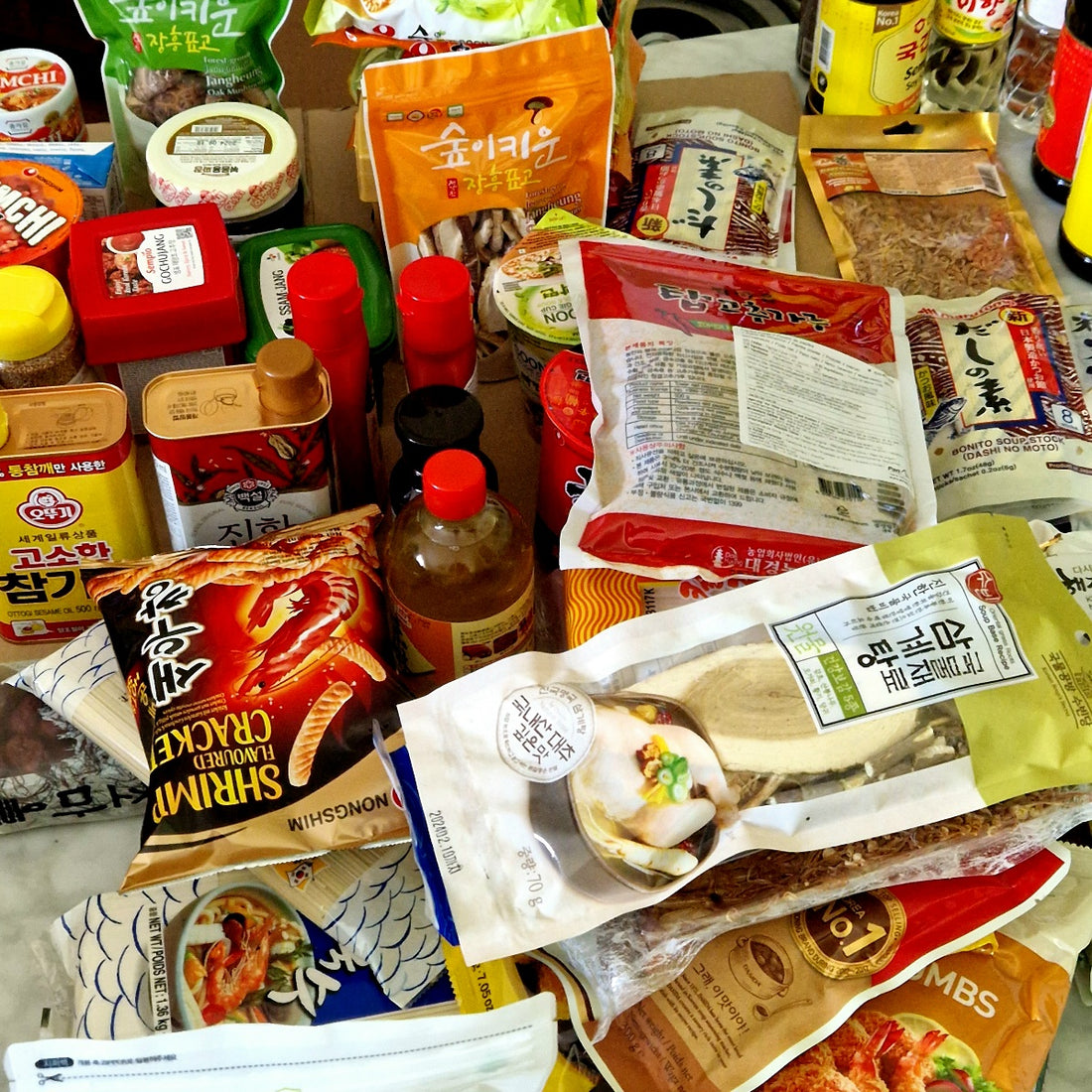
Don't panic, I've put together a list of the 9 basic ingredients you should have in your pantry to get started!
Even though Korean cuisine is very popular right now, it's not always easy to have everything on hand in your cupboard to start cooking your first recipes, and even less to know how to equip yourself at the beginning!
I have gone through a very large number of Korean recipes, from cookbooks published in France, cooking classes in Korea, videos, and I have come up with a list of 9 basic ingredients that you should always have in your cupboard to get started with Korean cooking!
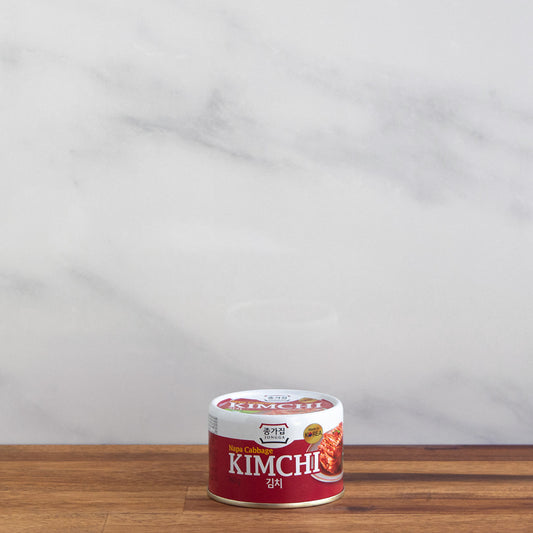
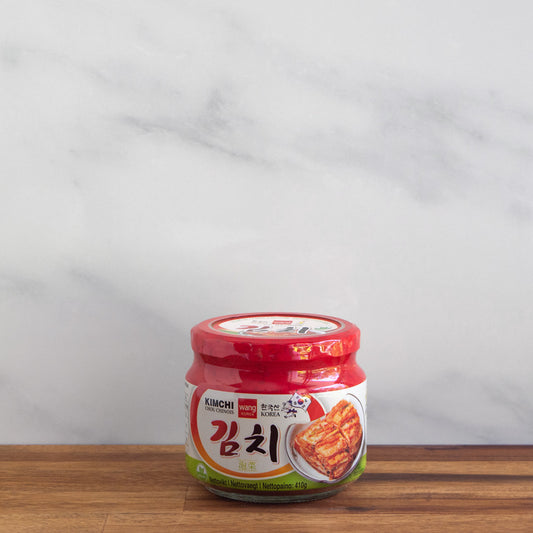
It is the most emblematic product of Korean cuisine, and while it is well known for Chinese cabbage, it is also made with other vegetables. It is an essential product to always have on hand because it is an excellent accompaniment for all Korean meals, but also because it can be used as an ingredient for many recipes: Kimchi Jjigae (kimchi stew), Dubu Kimchi (kimchi and pork stir-fried with kimchi)...
The three jangs:
Doenjang, Ganjang, Gochujang: these three products, traditionally derived from fermentation processes, are staples of Korean cuisine. With these in your cupboard, you're making the right purchase to get into K-food.
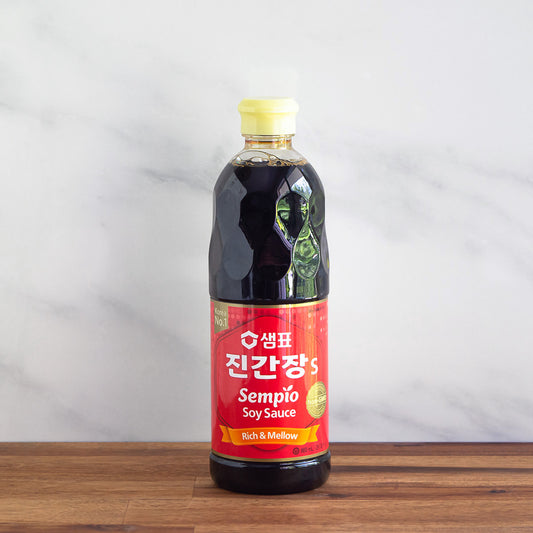
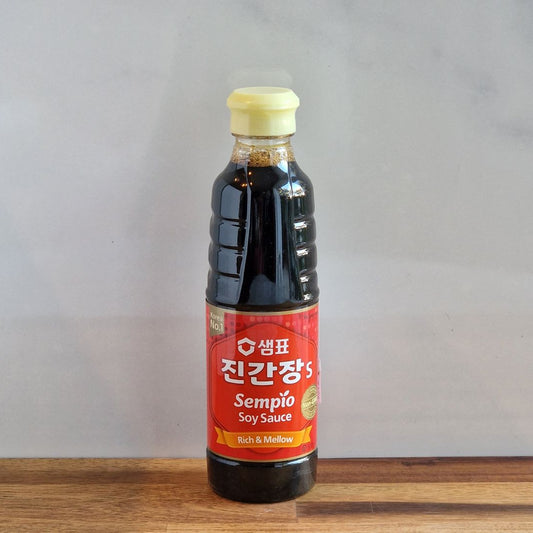
Doenjang (fermented soybean paste) and Ganjang (soy sauce) are traditionally made from the same fermentation process and bring a rich and deep seasoning to sauces, stews, broths, as well as marinades or dips.
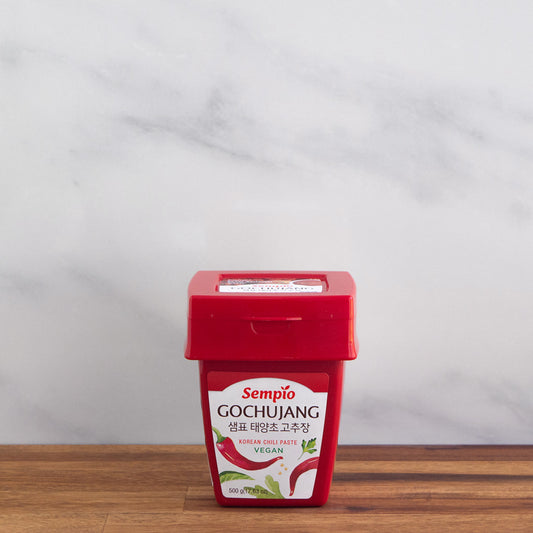
Gochujang, Korean fermented red chili paste (often called Korean hot paste or Korean hot sauce) is, in my opinion, the most distinctive ingredient in this cuisine. It is a paste containing at least glutinous rice flour and red chili flakes (sometimes soybeans as well) that ferments for several months. It is a true Korean essential to have at home.
On this site, you can choose from several types of doenjang, ganjang and gochujang: for distinct and typical tastes, trust the Jangs from Jook Jang Yeon, who make them in a traditional way, which gives them an incomparable flavor.
Red chili flakes:
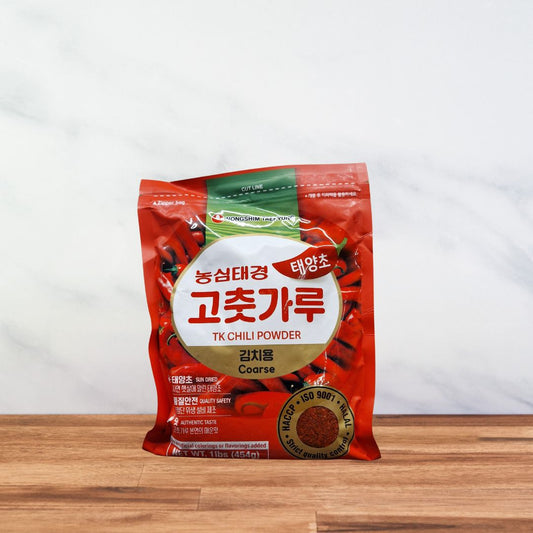
Gochugaru, this fine Korean red chili powder, is very present in Korean cuisine and adds a kick to dishes. It's a spicy chili that brings real warmth to dishes and a beautiful red color. Most homemade kimchi recipes use this subtle spice, which is more delicate than it seems.
Cham-Gileum in phonetic transcription, these oils are a basic seasoning for Korean dishes, and you will need them in many recipes, to season vegetables, marinades, meats, and especially to add that beautiful final nutty touch to your future bibimbaps!
Even though its taste is typically Korean, it's a product that can enhance many Western dishes, starting with green salads (green beans first!), but also grilled fish, sea bream or sea bass, not to mention bluefin tuna!
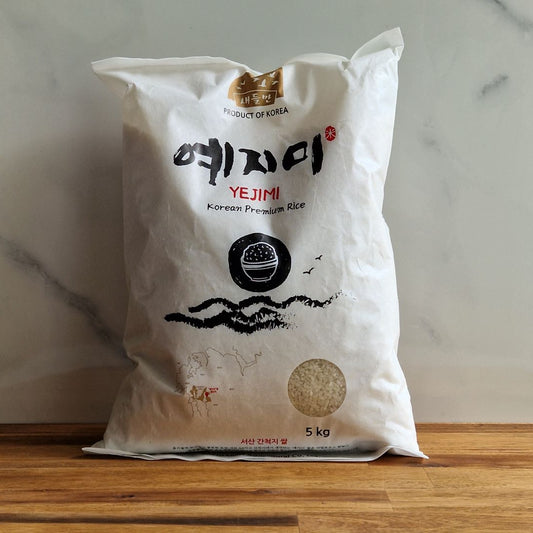
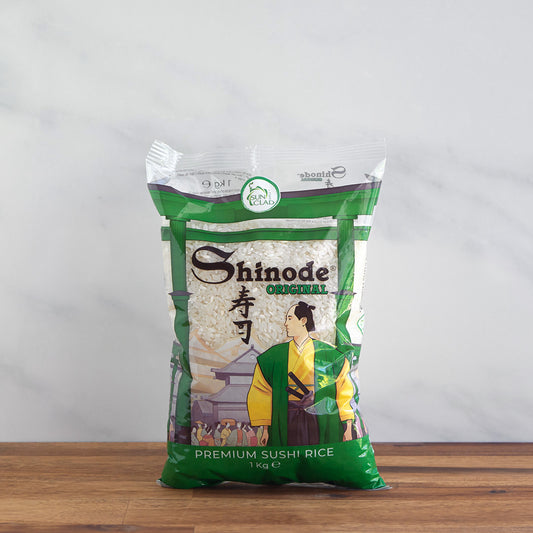
Like in Japan and Taiwan, Koreans consume short-grain rice, and this is the rice used for almost all Korean dishes that include rice.
If you don't have Korean rice on hand, use sushi rice.
A very good ingredient to have on hand to sprinkle over your creations before serving. These toasted seeds will bring an almost salty addition to your dishes.
Noodles:
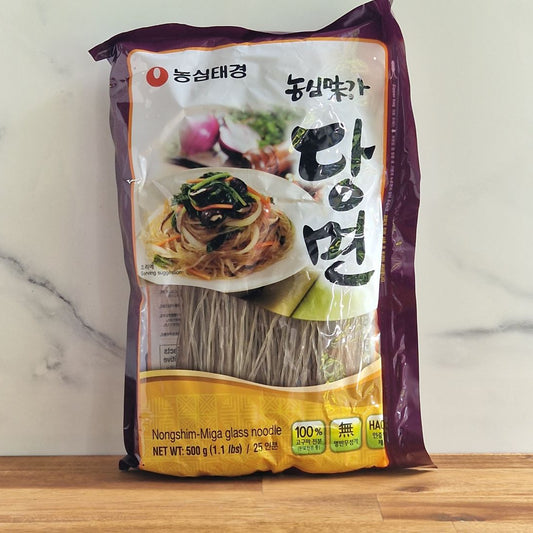
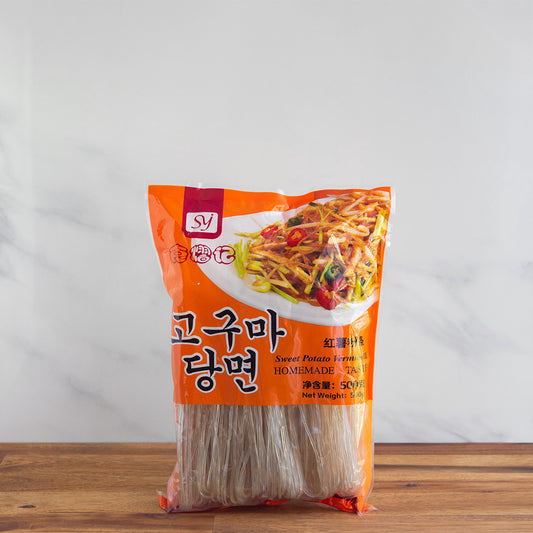
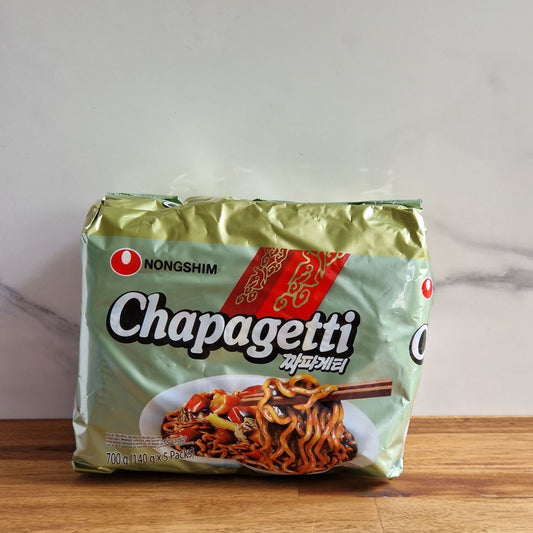
The variety of noodles in Korea is impressive, and it's not always easy to navigate. Dangmyeon, these sweet potato starch noodles, are currently very popular and are used for Japchae, delicious stir-fried noodles. Naengmyeon, buckwheat noodles, are essential for making cold noodles in iced broth. Soft wheat noodles like Udon are a good ingredient to have in your cupboard as they can be used in many recipes, with broth or in a sauce.
Other dry goods may be necessary to make your recipes, but these 9 products are not replaceable by substitute products, which is why they seem the most relevant to me!
🗒️You will find all these ingredients in their basic version in this shopping list, with a discount included.
See you soon!
Pierre