
With the arrival of spring, Korean cuisine gradually evolves. The hearty, comforting stews of winter slowly give way to lighter dishes, where vegetables take a more prominent place on the plate.
This seasonal transition translates into fresher preparations, quick cooking methods, and simple seasonings that highlight the ingredients. Meals remain structured around several small dishes, but textures become more varied and flavors more plant-based.
Even far from Korea, it is entirely possible to draw inspiration from this spring cuisine. Many vegetables available in Europe in early spring lend themselves very well to Korean seasoning methods.
Spring in Korean cuisine
In Korean cuisine, vegetables play an essential role throughout the year. Korean cuisine values seasonal produce, and in spring, market stalls fill with new onions, young shoots, and wild herbs, sometimes resembling dandelions, spinach, or arugula, often displayed in large basins in traditional markets.

In spring, these vegetables and herbs are often prepared as namul, which means blanched or lightly sautéed vegetables that are then simply seasoned.
These preparations are generally served as side dishes in Korean meals. They add color, texture, and a balance between the different flavors of the meal.
Namul are based on a simple principle: a vegetable, light cooking, and a well-balanced seasoning. A few ingredients are enough to transform a very simple product into a successful side dish.
Seasoned spinach (sigeumchi namul), sautéed bean sprouts, or lightly marinated root vegetables are among the most common examples. These small dishes are often served in several varieties, creating a meal rich in textures and colors.
Which vegetables to use in spring in France?
Korean cuisine easily adapts to vegetables available in Europe. In early spring, several common vegetables can be used to prepare dishes inspired by Korean cuisine.

Spinach is probably one of the simplest vegetables to cook in this spirit. After a quick blanching, it can be seasoned with a little soy sauce, garlic, and sesame oil.
Carrots are often used julienned in salads or lightly sautéed. Their crunchy texture works very well in dishes like bibimbap.
Turnips can be thinly sliced and lightly marinated with rice vinegar and a hint of gochugaru. They bring a fresh and slightly tangy note.
Mushrooms, especially button mushrooms or oyster mushrooms, lend themselves well to quick pan-frying with a little soy sauce and sesame oil.
Cabbage, very present in Korean cuisine, can be sautéed, used in light soups, or prepared as a seasoned salad.
Finally, bean sprouts are a classic ingredient in Korean side dishes. They are usually blanched and then seasoned with sesame oil, garlic, and sometimes a little chili.
Depending on what you find at the market, you can also try chard, dandelions, watercress, and early radishes.

Korean seasonings that make a difference in spring
What characterizes Korean cuisine is not only the choice of vegetables, but also how they are seasoned.
Several condiments play a central role in building flavors.
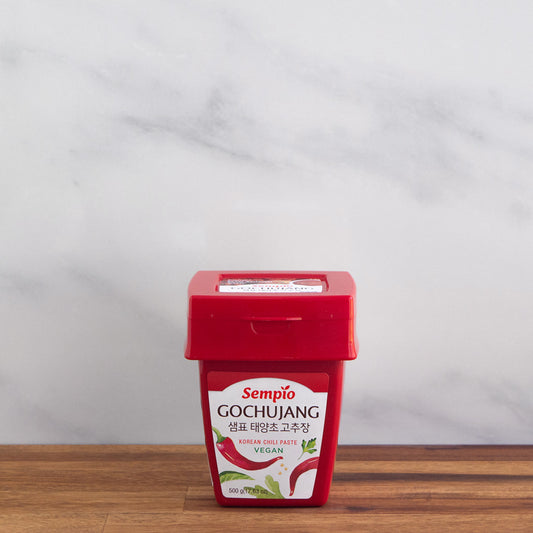
Gochujang, the fermented chili paste, brings spiciness, a slight sweetness, and depth. It is often used in sauces or to season dishes like bibimbap.

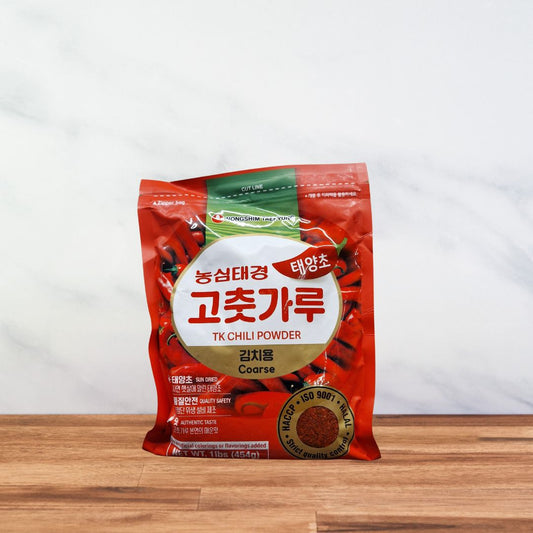
Gochugaru, Korean chili flakes, allows you to adjust the level of spiciness while providing a characteristic red color.
Ssamjang, a thick paste made from fermented soybean paste (doenjang) and gochujang, is often used as a condiment to accompany vegetables or grilled meats.
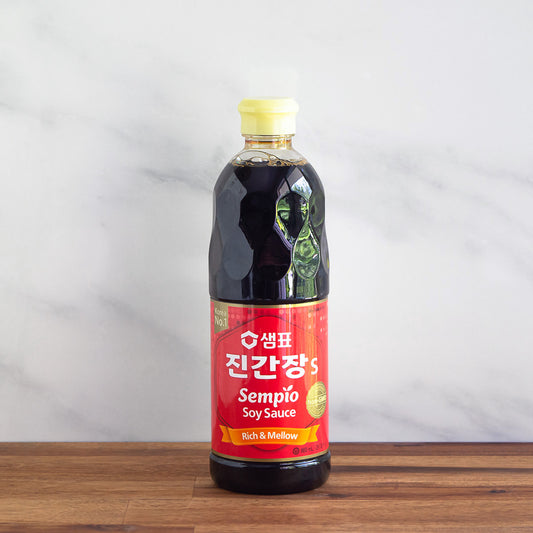
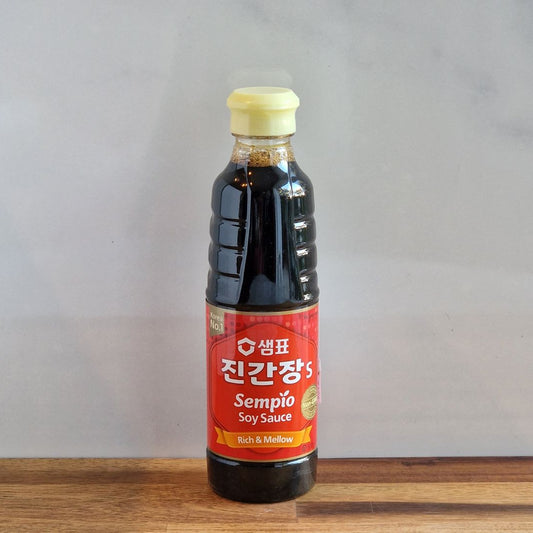
Soy sauce remains one of the most used seasonings. It provides the salt and umami that structure many dishes.
Rice vinegar adds a touch of light acidity, particularly appreciated in salads or marinated vegetables.
Finally, sesame oil plays an essential role in Korean cuisine. A few drops are enough to bring a toasted aroma and round out the flavors of a dish. Korean sesame oils are often used as a finishing touch, after cooking, to preserve their characteristic aroma.
Thanks to these condiments, very simple vegetables can become balanced and flavorful side dishes.
A simple idea: spring bibimbap
Bibimbap is an excellent example of a dish adaptable to the seasons.
This rice bowl topped with various vegetables makes it easy to use available market produce. Each vegetable is prepared separately, often with a light seasoning, then arranged on the rice.
For a vegetarian spring bibimbap, you can use seasoned spinach, sautéed carrots, mushrooms, chard, and some cabbage leaves, for example.

When serving, a spoonful of gochujang and a drizzle of sesame oil are usually added, then everything is mixed in the bowl.
The result is a complete, balanced, and very adaptable dish depending on the available vegetables.

It's time to get started!
In short, spring Korean cuisine is based on a simple idea: putting vegetables at the center of the plate and accompanying them with precise seasonings.