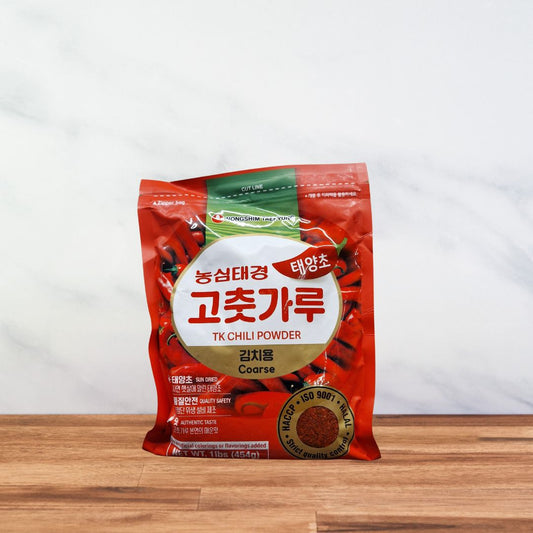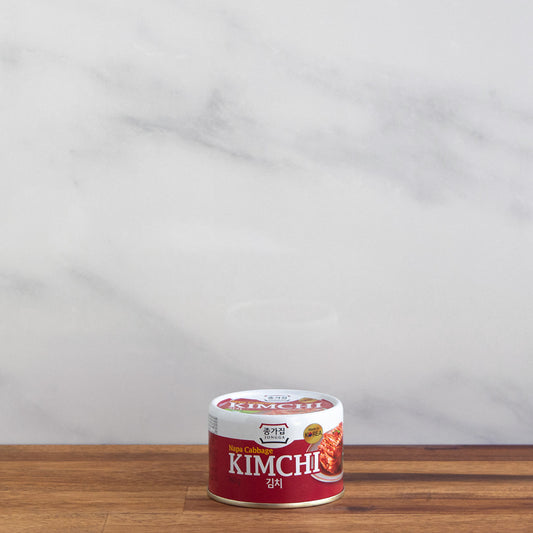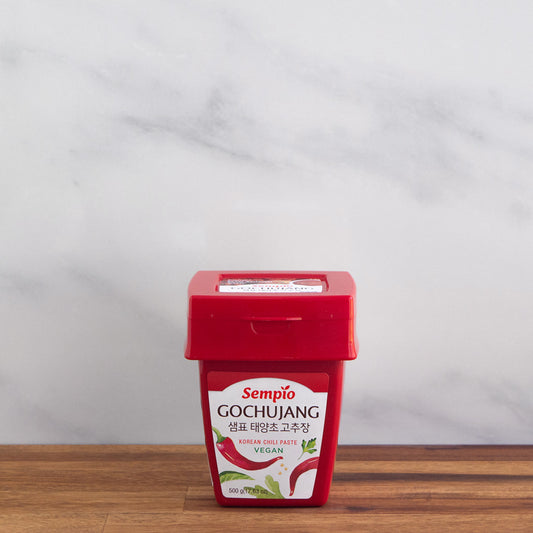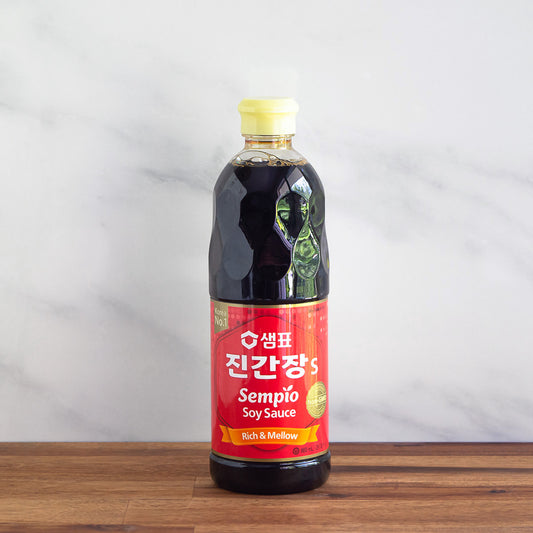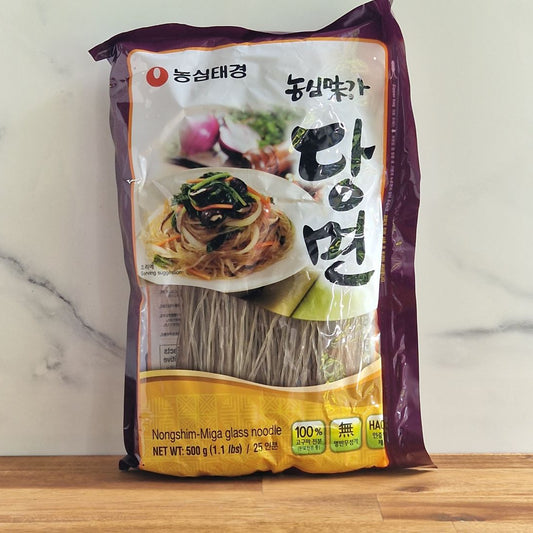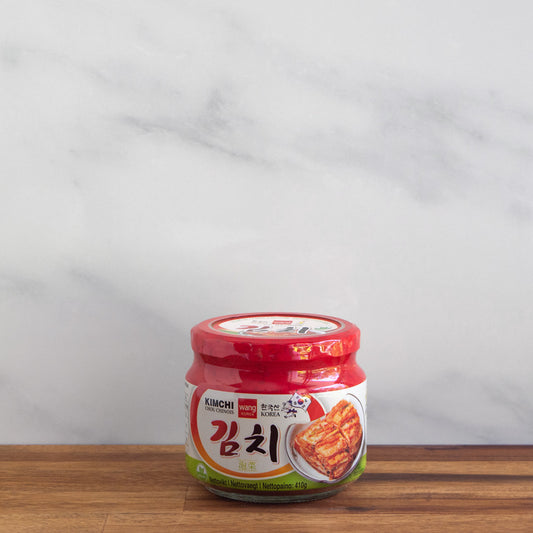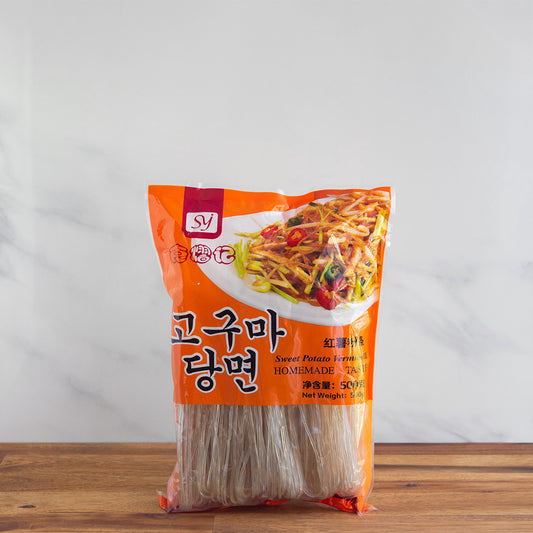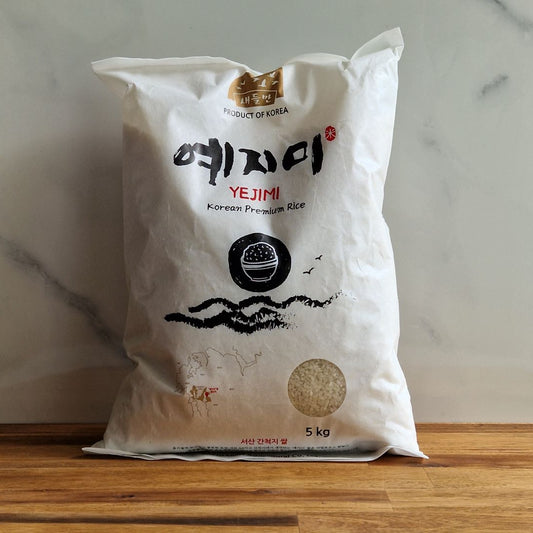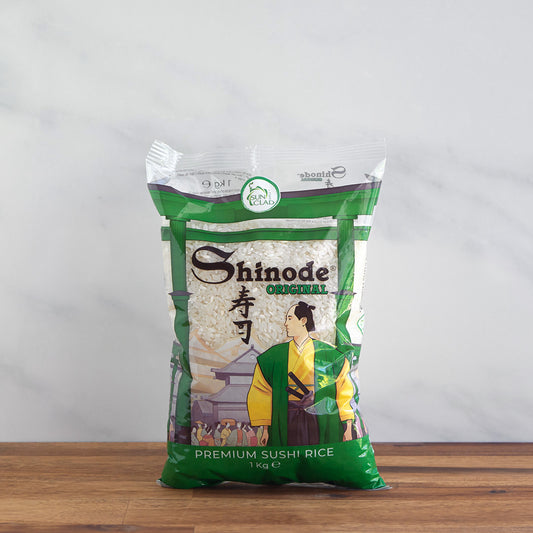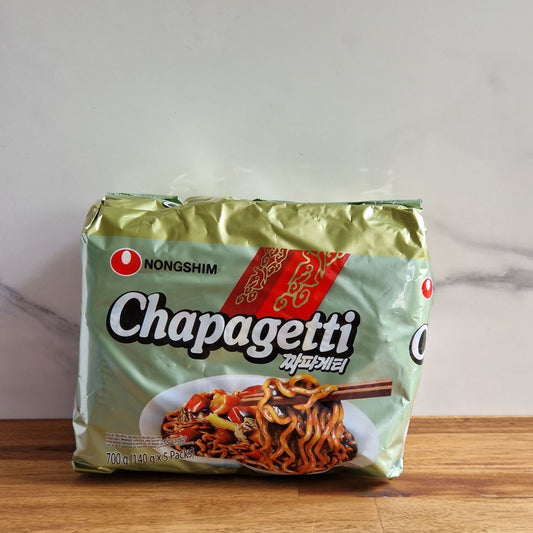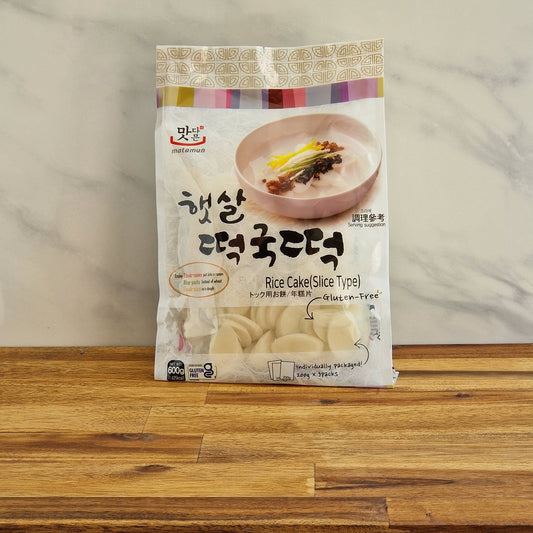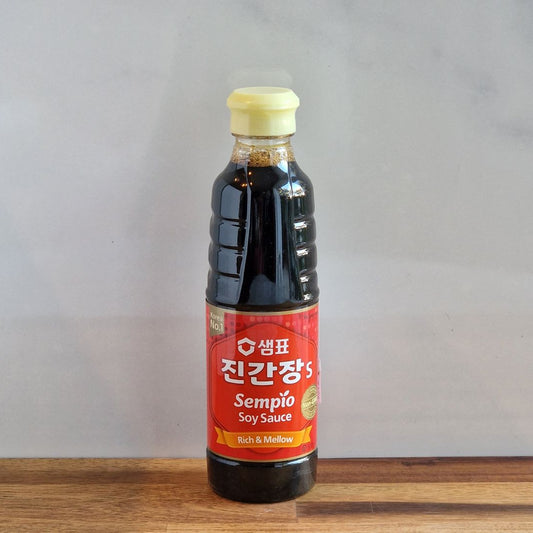

Spring in Korea is a time of renewal, where dishes become lighter, fresher, and richer in seasonal vegetables. Inspired by the Hansik (한식) tradition, these recipes highlight fermented ingredients, delicate flavors, and crisp textures. Discover 10 must-try Korean spring dishes, accessible with ingredients easily found in France!
Ssambap (쌈밥) – Rice Balls in Lettuce Wraps
Ssambap are delicious rice balls wrapped in lettuce or perilla leaves, accompanied by a lightly spiced and umami ssamjang sauce. Rich in fiber and natural flavors, they are perfect for a light and balanced meal. Each bite combines the softness of rice with the freshness of vegetables, offering a spring explosion of taste ideal for a convivial meal.
Baek Kimchi (백김치) – Mild and Refreshing White Kimchi
Baek kimchi is a non-spicy version of traditional kimchi, where napa cabbage is fermented with Korean pears, garlic, and ginger. Its delicately tangy and slightly sweet taste makes it an excellent accompaniment to balance a spicy dish. After 24 hours at room temperature, it takes 3 to 5 days in the refrigerator before it reaches its optimal taste. The longer it ferments, the more fragrant it becomes!
Kongguksu (콩국수) – Cold Noodles in Soy Milk Broth
Kongguksu is an ultra-creamy spring dish where wheat noodles are served in a blended soy-based broth. Traditionally, soaked and boiled yellow soybeans are used, but a quick alternative is to use unsweetened commercial soy milk, enriched with a little blended sesame for a creamier texture. Refreshing and nutritious, it's a dish rich in plant protein, ideal for sunny days!
Oi Sobagi (오이 소박이) – Stuffed Cucumber Kimchi
Cucumber kimchi is a crisp and refreshing variation of classic kimchi. Cucumbers are cross-cut along their entire length without being completely separated, then stuffed with a fragrant marinade of soy sauce, garlic, and chives. Ready in 24 hours at room temperature, it's best enjoyed after 2 to 3 days of fermentation in the refrigerator, when it reaches a perfect balance of acidity and crunch.
Mul Kimchi (물김치) – Light and Thirst-Quenching Water Kimchi
Mul kimchi, or water kimchi, is a mild and hydrating alternative to spicy kimchi. Prepared with radish, cucumber, and carrots in a lightly vinegared brine, it offers a subtly tangy flavor, ideal for accompanying rich dishes. After 24 hours at room temperature, it can be stored for up to 2 weeks in the refrigerator while developing its subtle aromas. It can also be enjoyed as a refreshing fermented drink!
Jumeokbap (주먹밥) – Seasoned Rice Balls
Jumeokbap, or "fist rice," are small Korean rice balls seasoned with dried seaweed and sesame seeds. Easy to prepare and perfect for a spring picnic, they can be filled with crispy vegetables or seasoned tuna. Quick to make, they are ideal for a balanced meal on the go, while highlighting the authentic flavors of Korean cuisine.
Nokdujeon (녹두전) – Mung Bean and Crispy Vegetable Pancakes
Nokdujeon are thick, crispy pancakes made from ground mung beans and mixed with spring vegetables like leeks and carrots. Their soft interior and golden-brown exterior make them a comforting and nourishing dish. Served with a lightly vinegared soy sauce, they are perfect for a light and flavorful appetizer.
Minari Muchim (미나리 무침) – Water Celery Salad
Minari muchim is an ultra-fresh salad made with minari (water celery), a Korean plant with an herbaceous and slightly peppery taste. Seasoned with rice vinegar, soy sauce, and sesame seeds, it's perfect for accompanying grilled meats or a bowl of rice. If minari is unavailable, flat-leaf parsley or coriander can be used for a version adapted to ingredients available in France.
Jogi Gui (조기구이) – Korean-Style Grilled Mackerel
Jogi gui, or grilled mackerel, is a simple and flavorful dish. The fish meat is marinated with a sauce made from soy sauce, garlic, and sesame oil, then grilled until the skin is crispy. Accompanied by a bowl of rice and some fermented vegetables, this iodized and gourmet dish provides an ideal marine touch for a balanced and light spring meal.
Ssuk Tteok (쑥떡) – Mugwort Rice Cakes
Ssuk tteok are small, soft rice cakes flavored with Korean mugwort (ssuk), a medicinal plant prized in spring for its benefits. Their vibrant green color evokes the renewal of the season. Often filled with sweet red bean paste, they offer a gourmet and traditional touch to enjoy at the end of a meal with a light tea.
Why Adopt These Korean Spring Recipes?
Freshness and lightness – Less spicy dishes, richer in seasonal vegetables. Easy to make with accessible ingredients – Available at your online Korean grocery store and Asian supermarket. Tradition and benefits – Recipes inspired by Hansik, balancing taste and health.