Collection: Spices, Seaweed & Dried Products
Korean dried goods are the essentials of the Korean pantry: easy to store at room temperature, they let you prepare many everyday recipes. Gochugaru, seaweed, sesame seeds, dried mushrooms or specialty flours: each ingredient has its place in a well-equipped Korean kitchen.
-
Gim - Premium Roasted Seaweed - Gimsiwol - 4g
Regular price €1,50 EURRegular priceUnit price / perSale price €1,50 EURSold out -
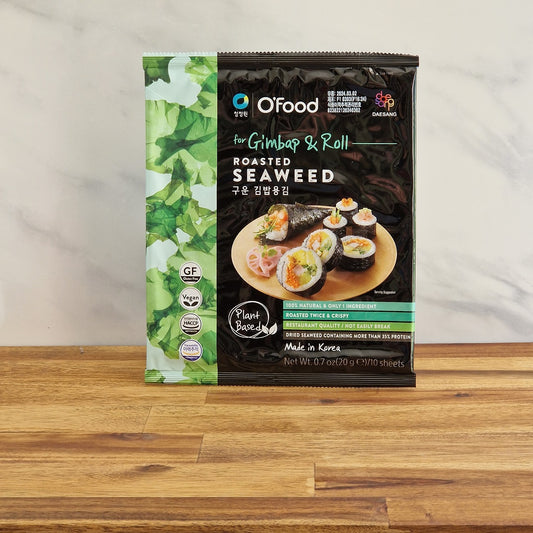
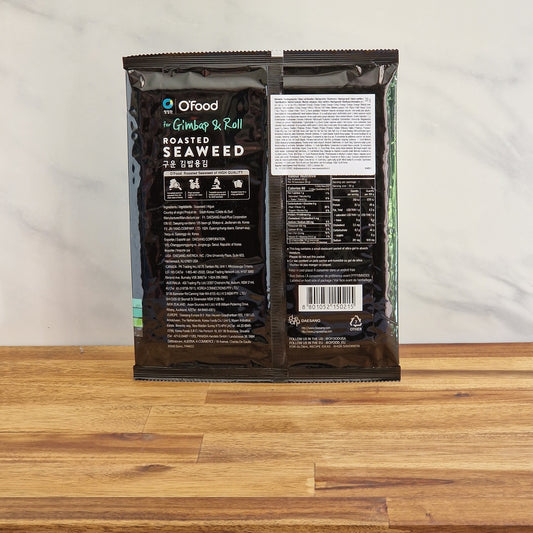
Gim - Dried Seaweed - O'Food - 20g
Regular price €3,50 EURRegular priceUnit price / perSale price €3,50 EUR -
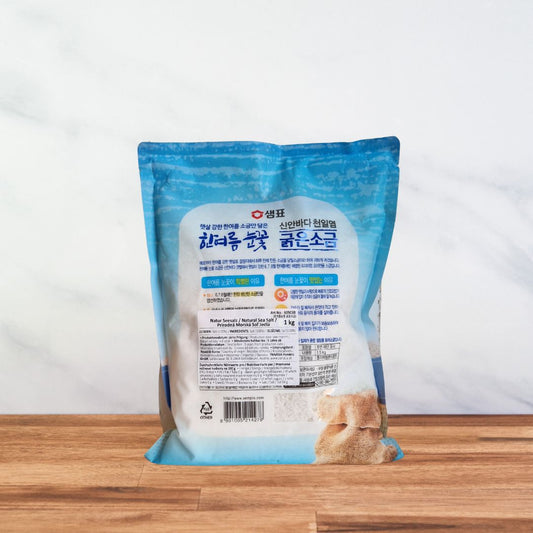
Korean Coarse Sea Salt - Sempio - 1 kg
Regular price €6,90 EURRegular priceUnit price / perSale price €6,90 EURSold out -
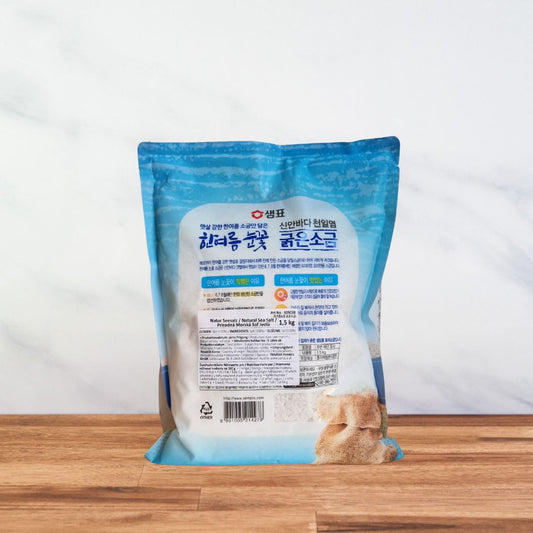
Korean coarse sea salt - Sempio - 1.5 kg
Regular price €9,50 EURRegular priceUnit price / perSale price €9,50 EURSold out -
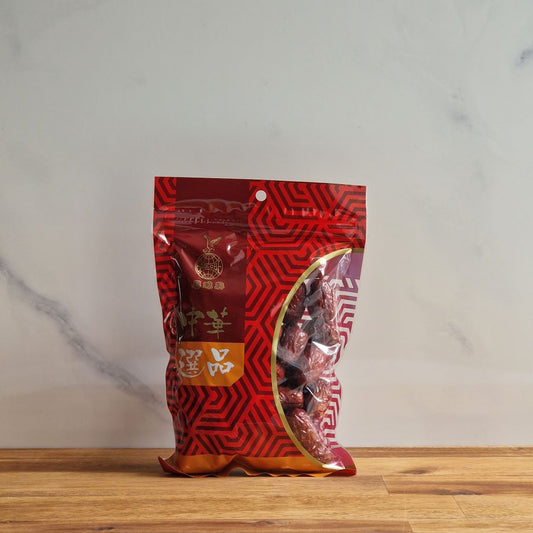
Dried Jujubes - 200g
Regular price €4,00 EURRegular priceUnit price / perSale price €4,00 EUR -
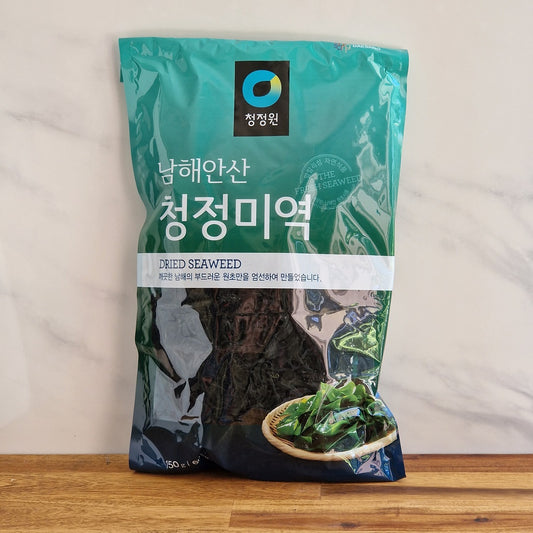
Miyeok - Dried Wakame Seaweed - 150g
Regular price €9,90 EURRegular priceUnit price / perSale price €9,90 EUR -
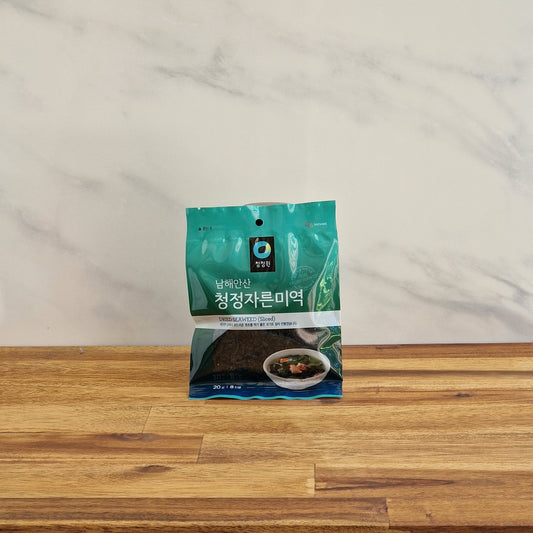
Miyeok - Dried Wakame Seaweed Pieces - 20g
Regular price €2,50 EURRegular priceUnit price / perSale price €2,50 EUR -
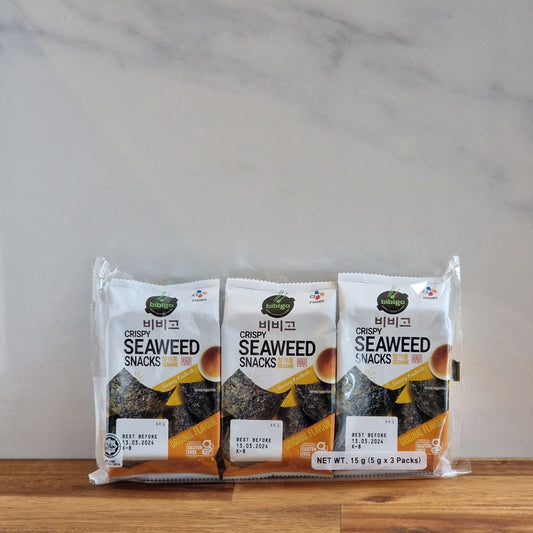
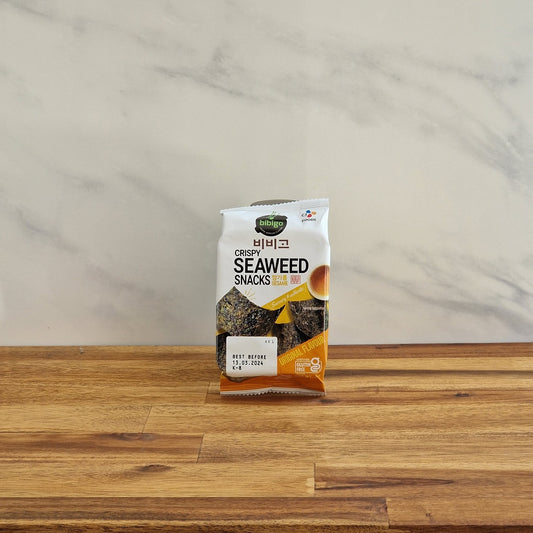
Seaweed sesame chips pack - 3x5g
Regular price €3,30 EURRegular priceUnit price / perSale price €3,30 EUR -
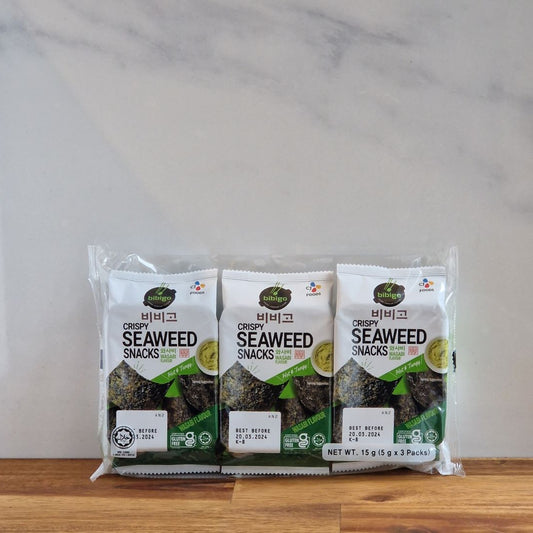
Wasabi Seaweed Crisps Multipack - 3x5g
Regular price €3,30 EURRegular priceUnit price / perSale price €3,30 EUR -
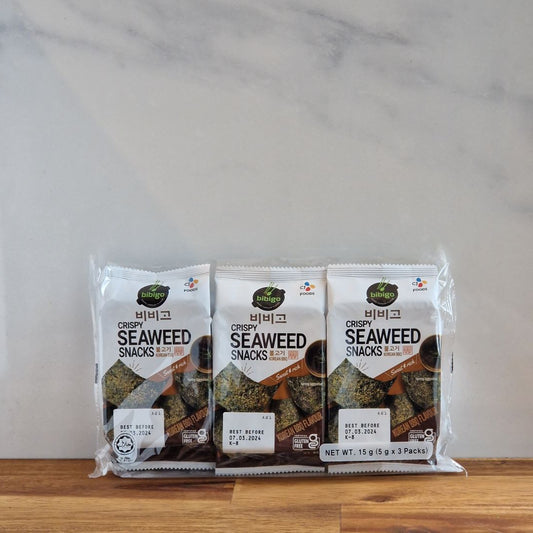
Seaweed chips multipack BBQ flavour - 3x5g
Regular price €3,30 EURRegular priceUnit price / perSale price €3,30 EUR -
Eco-pack 16 sachets premium roasted gim seaweed
Regular price €19,00 EURRegular priceUnit price / per€24,00 EURSale price €19,00 EURSold out -
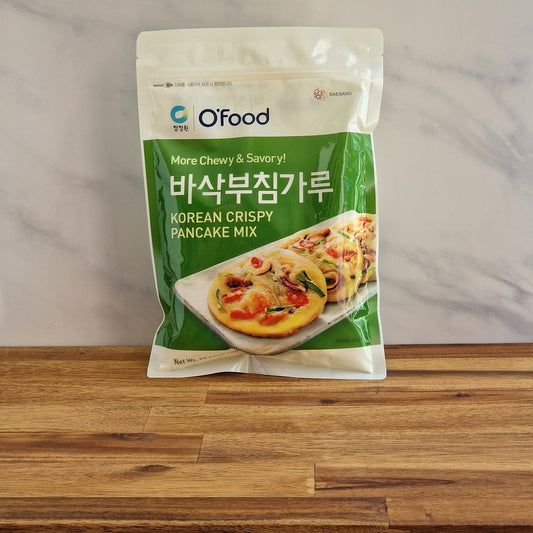
Pajeon - Korean Pancakes - O'Food - 500g
Regular price €3,50 EURRegular priceUnit price / perSale price €3,50 EUR -
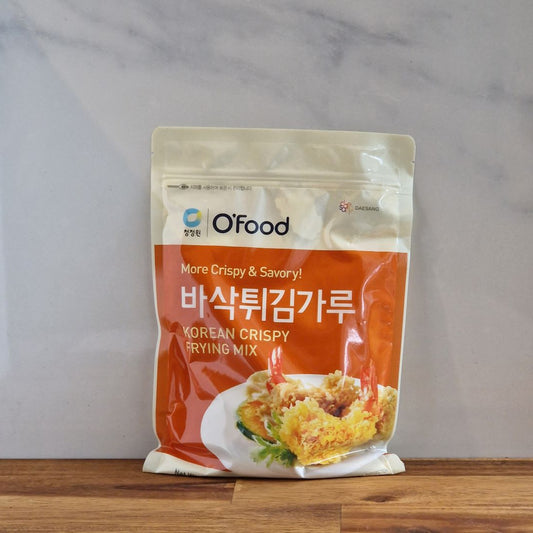
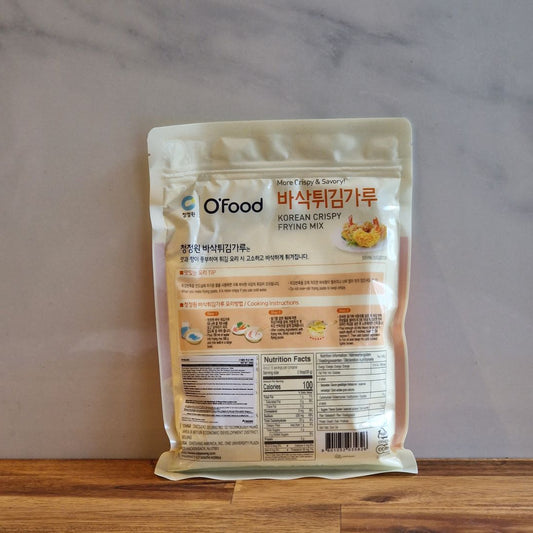
Frying mix - O'Food - 500g
Regular price €3,50 EURRegular priceUnit price / perSale price €3,50 EUR -
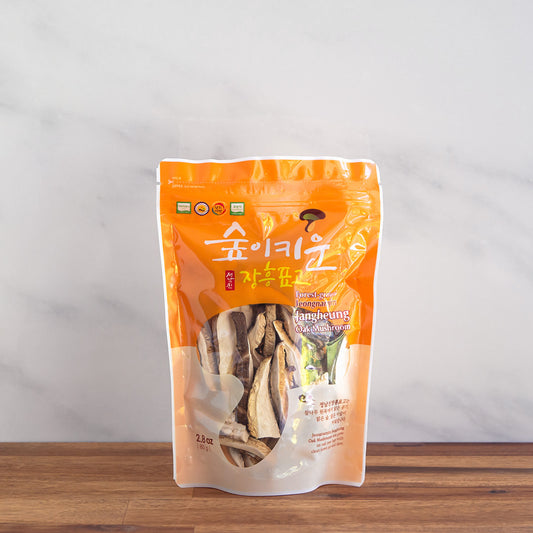
Sliced dried shiitake mushrooms - 80g
Regular price €8,00 EURRegular priceUnit price / perSale price €8,00 EURSold out -
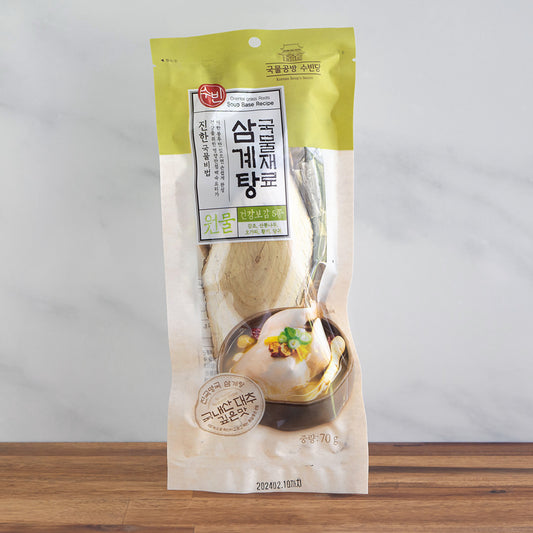
Samgyetang Soup - chicken soup mix - 70g
Regular price €4,00 EURRegular priceUnit price / perSale price €4,00 EUR -
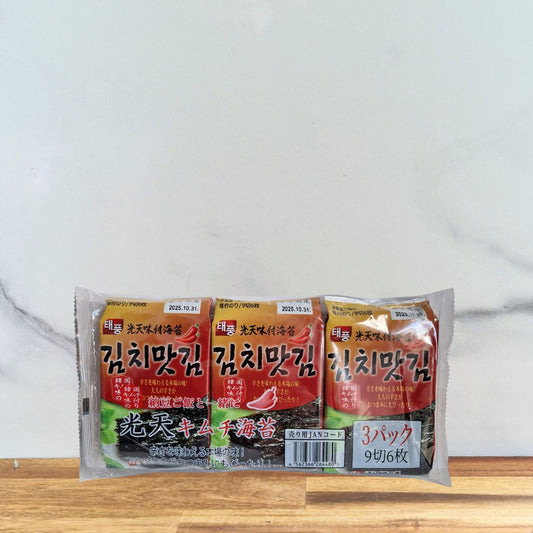
Sold outToasted Seaweed with Kimchi - 3x3g
Regular price €3,00 EURRegular priceUnit price / perSale price €3,00 EURSold out
What can you find among Korean dried goods?
Korean dried goods have one thing in common: they keep for a long time at room temperature and form the basis of a Korean pantry that is always ready to use. This Korean dry grocery range brings together ingredients used every day to cook, season or make a broth. You will find in particular gochugaru 고추가루, sesame seeds, various Korean seaweeds such as gim 김, dashima 다시마 or miyeok 미역, dried shiitake mushrooms, dehydrated enoki, dried radish, as well as flours and breadcrumbs suited to specific preparations. If you are just starting out, our guide to the basic ingredients of Korean cuisine will help you understand the role of each one in everyday recipes.
How are dried goods used in Korean cooking?
Korean dried goods come into play at every stage of a meal. To make homemade kimchi, you generally use gochugaru in the form of chili flakes, whose texture is ideal for coating vegetables and giving them a vibrant color. Fine gochugaru, made from the same chili but ground more finely, is rather reserved for chili pastes, sauces or making gochujang.
Gim sheets are used to make gimbap, while toasted sesame seeds are added as a finishing touch to many banchan, noodles or a jjigae. Dashima is used to make a Korean broth, which serves as the base for many soups and stews. Finally, chapssal garu (glutinous rice flour) goes into making tteok, the emblematic rice cakes of Korean cuisine.
If you would like to get started, also see our homemade kimchi recipe and our Korean gimbap recipe to see how these ingredients are used in practice.
Korean broth: the base everyone forgets
Many Korean recipes start with a homemade Korean broth. The most classic base combines dashima 다시마 (dried kelp), dried anchovies (myeolchi) and dried shiitake mushrooms. For a vegetarian version, simply replace the anchovies with a larger quantity of shiitake or other dried vegetables.
The technical point to know concerns dashima: it should not boil for long, or it may develop a slight bitterness. Ideally, let it infuse in cold water, heat gradually, then remove it just before boiling. The shiitake, on the other hand, can keep cooking to release their aromas. This gives you a base used in many jjigae, soups and simmered dishes.
This Korean broth is different from Japanese dashi, which is generally made with kombu and dried bonito. Nor should it be confused with a powdered broth such as Dasida, which is used directly as a seasoning. If you want to put it into practice, try for example our doenjang jjigae recipe.
How to choose your Korean dried goods?
The choice depends above all on your cooking habits. If you regularly make homemade kimchi, opt for gochugaru of 100% Korean origin, such as the one from producer Jookjangyeon, and choose the right grind: chili flakes suit the vast majority of recipes, while fine gochugaru is mainly used for sauces, some chili pastes or making gochujang.
For Korean seaweeds, be clear about their uses: toasted gim is ready to eat or to use for gimbap, whereas dashima and miyeok are meant for cooking. Finally, adapt the format to your consumption. A 200 g bag is ideal for discovering gochugaru, while a 1 kg format is better suited to those who make their kimchi in large quantities. Whatever the product, good dry storage, away from light and moisture, preserves its qualities over time. For large formats of gochugaru, the freezer is an excellent solution to keep its color and aroma longer.
Our selection of dried goods at Korea Store
Our selection brings together the main ingredients of the Korean dry grocery aisle, chosen for their usefulness in cooking and ease of storage. You will find in particular Korean gochugaru from producer Jookjangyeon, recognized for its expertise and its chili grown in Korea, as well as products from brands such as Nongshim, Bibigo, Assi or O'Food, along with ingredients selected for their quality and use, whatever their origin.
Our priority is to offer the products best suited to everyday Korean cooking. To learn more about Jookjangyeon's expertise and approach to producing gochugaru, visit our page dedicated to producer Jookjangyeon.
Frequently Asked Questions
Which dried goods do you need to get started with Korean cooking?
To start, four ingredients are enough: gochugaru, sesame seeds, gim and dashima. With them, you can make a broth, season many dishes, prepare gimbap or cook homemade kimchi. This base is an excellent starting point before gradually enriching your pantry with other products from our collection.
How do you rehydrate Korean dried mushrooms?
Soak dried shiitake mushrooms in lukewarm water for 20 to 30 minutes, until they regain a supple texture. The soaking water is rich in aromas and can be used to make a broth or a sauce, provided you strain it to remove any sediment. At Korea Store, dried mushrooms are perfect for enriching soups, jjigae and simmered dishes.
What is the difference between fine and flaked gochugaru?
It is the same chili; only the grind changes. Gochugaru flakes are the most versatile: they are used for homemade kimchi and most Korean recipes where you want to keep the texture and look of the chili. Fine gochugaru is intended more for sauces, chili pastes and making gochujang. If in doubt, choose the flakes: they cover most uses.
How long do Korean dried goods keep?
Korean dried goods keep for a long time at room temperature, in a dry place, away from light and moisture. Gochugaru deserves special attention: light and heat gradually dull its color and aroma. For large formats, storing it in the freezer preserves its qualities longer. This long shelf life makes dried goods the ideal base for a pantry that is always ready.
Which Korean seaweed should you choose: gim, dashima or miyeok?
Each seaweed has a very specific use. Gim is used for gimbap or eaten toasted as a side dish. Dashima is used to make an umami-rich Korean broth, while miyeok is the traditional seaweed for miyeok soup. At Korea Store, you can therefore choose the seaweed suited to the recipe you want to make rather than an “all-purpose” seaweed.