What is gochujang?
Gochujang is an iconic fermented chili paste in Korean cuisine. It is made from gochugaru (Korean chili powder), glutinous rice, and fermented soybeans, with salt and, depending on the recipe, malt or rice syrup added. The fermentation gradually develops its flavors, giving it a thick texture and a characteristic umami richness.
Along with ganjang (soy sauce) and doenjang (fermented soybean paste), gochujang is one of the three main basic condiments in Korean cuisine. It gives many recipes their characteristic red color, a balanced spiciness, and an aromatic depth that serves well in marinades, stews, sauces, and rice dishes.
How to use gochujang in cooking?
Gochujang is a concentrated paste: it is used in small quantities to season or make a sauce. A teaspoon is often enough to add spiciness, color, and a beautiful aromatic depth to a dish.
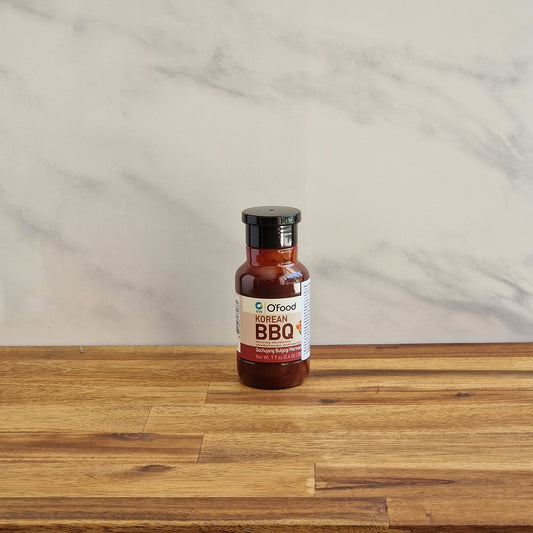
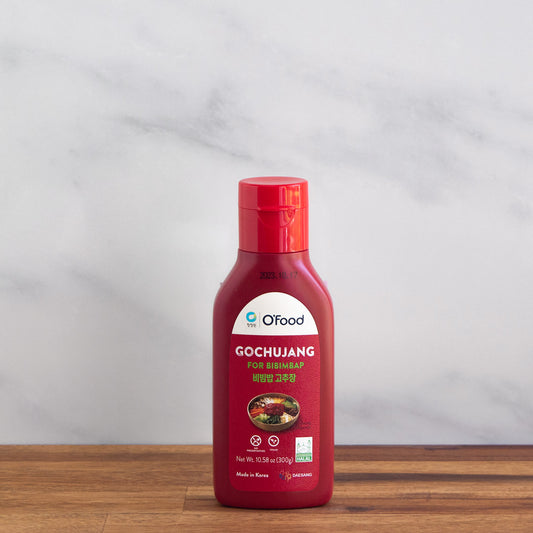
In Korean cuisine, it is essential for preparing bibimbap sauce, tteokbokki recipe, spicy soups, and many Korean BBQ marinades, especially those for dakgalbi or spicy variations of bulgogi.
Gochujang also easily finds its way into everyday cooking. It can liven up a vinaigrette, be incorporated into mayonnaise, enrich a sauce for roasted vegetables, or flavor a stew. Its thick texture allows it to be easily integrated into preparations without making them watery. To go further, also consult our article on different ways to use gochujang.
Artisanal vs. industrial gochujang: what's the difference?
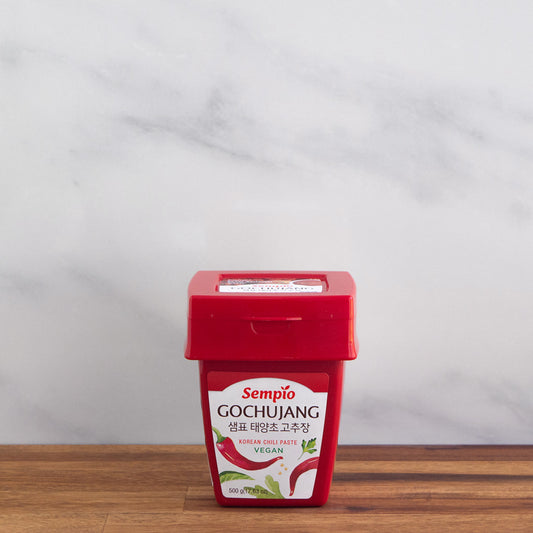
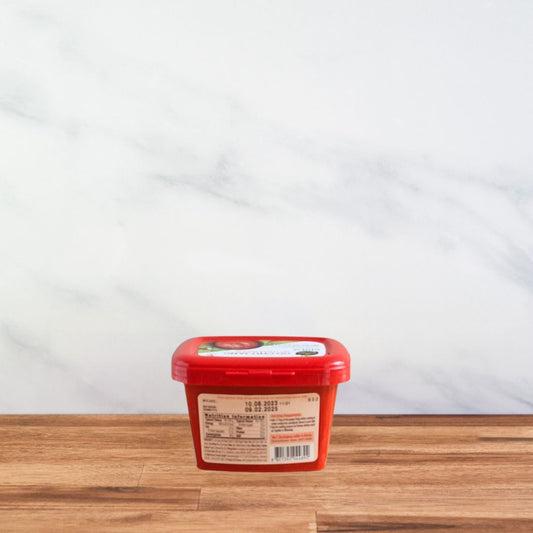
As with bread, cheese, or soy sauce, there is a difference between an artisanal product and industrial production. Bibigo or Sempio gochujangs are developed to offer consistent quality, great ease of use, and excellent value for everyday cooking.
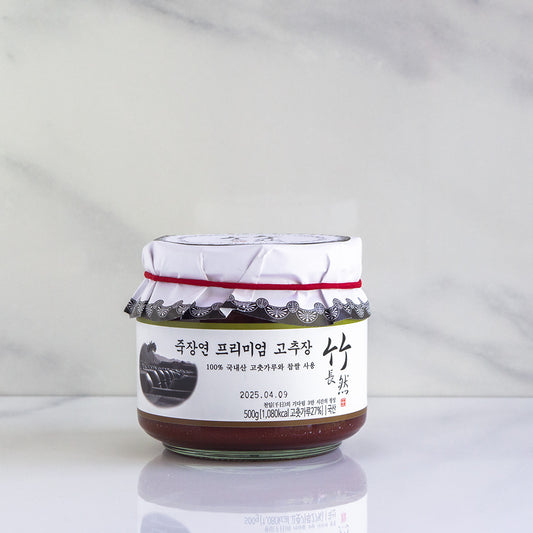
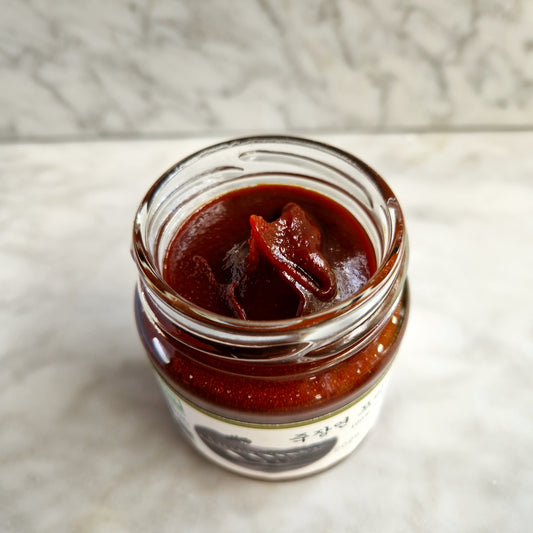
Conversely, an artisanal gochujang allows more time for fermentation. This is the case with producer Jookjangyeon, whose pastes ferment naturally for several years in traditional terracotta jars called onggi. This slow maturation allows for the development of a richer and more nuanced aromatic palette.
These two approaches cater to different uses. Industrial gochujang is suitable for regular use, while artisanal gochujang allows one to discover the work of a producer who perpetuates Korean fermentation know-how and lets time shape the flavors.
How to choose your gochujang?
The choice of gochujang primarily depends on your cooking style. If you regularly prepare Korean dishes, Bibigo or Sempio references are good choices for daily use. They offer a balanced taste, consistent quality, and integrate easily into traditional recipes as well as more creative cooking.
If you wish to discover a local product, Jookjangyeon's artisanal gochujang stands out for its long fermentation in onggi jars and its aromatic richness. It will particularly appeal to lovers of fermented products and those seeking a more traditional expression of Korean gochujang.
Our selection at Korea Store
Our collection brings together gochujangs suitable for all uses, from major Korean brands like Bibigo and Sempio to Jookjangyeon's artisanal gochujang. Each product has been selected for its quality, ease of use, and faithfulness to the traditions of Korean cuisine.
Whether you want to prepare bibimbap, tteokbokki, a marinade, or simply discover the taste of gochujang, you will find a suitable reference for your level, your culinary habits, and your budget.