What is a ready-to-use Korean sauce?
A ready-to-use Korean sauce is designed to be used directly in cooking. Unlike gochujang, doenjang, or other fermented pastes that serve as a base for a recipe and need to be measured or combined with other ingredients, it is already seasoned and ready to use. Simply add it to your rice cakes, fried chicken, or vegetables for a balanced sauce, with no extra preparation. Ssamjang, on the other hand, is a dipping sauce for grilled meats and lettuce wraps: it is not a cooking sauce. This distinction allows you to choose the right Korean condiment depending on the recipe you want to make.
Which sauce for which Korean dish?
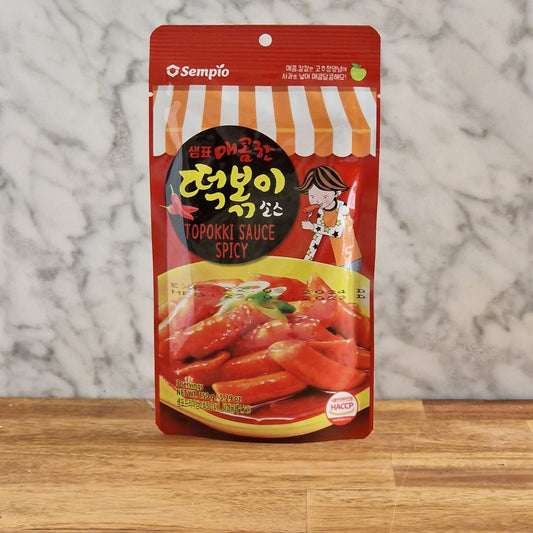
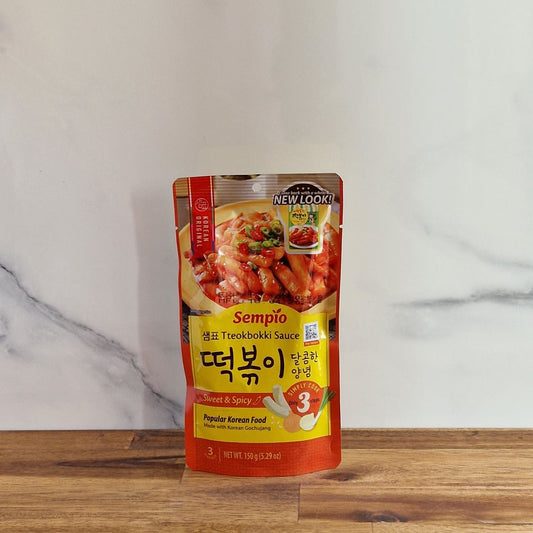
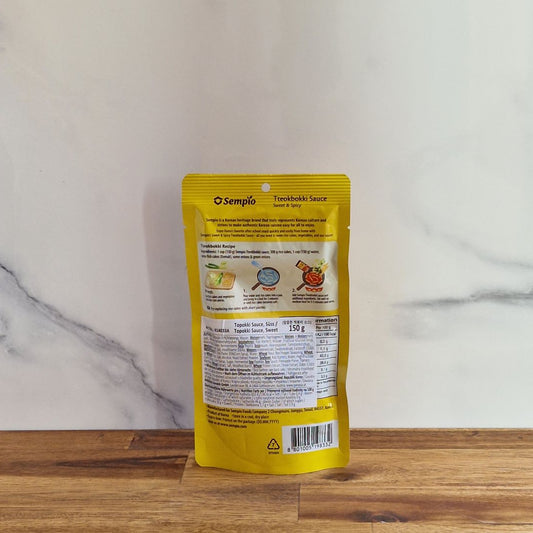
Each ready-to-use sauce is designed for a specific purpose. Sempio tteokbokki sauces come in two versions: a spicy recipe, true to the famous Korean street food, and a sweet and spicy version, milder, ideal for children and those sensitive to chili. If you want to prepare your own tteokbokki, findour recipe.
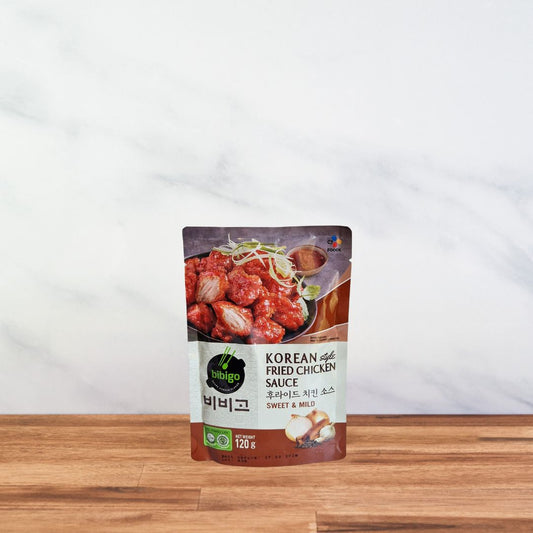
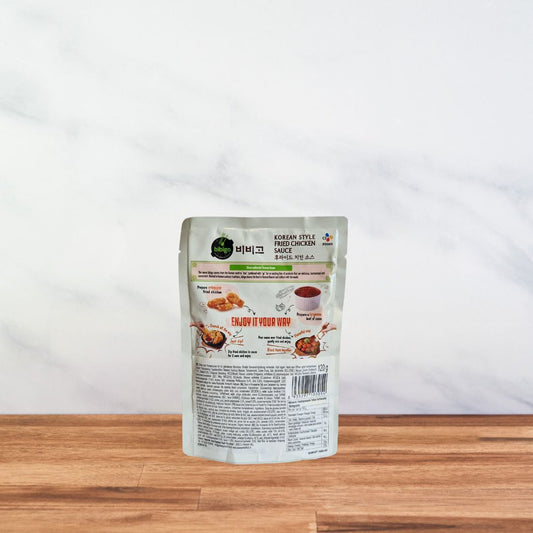
For Korean fried chicken (yangnyeom chicken), Bibigo sauces make it easy to achieve a glossy, sweet, and spicy glaze. They are also suitable for topping nuggets, chicken wings, or tenders. You can also followour Korean fried chicken recipe.
The collection also includes kimchi sauces and mayonnaise, perfect for enhancing a burger, sandwich, rice bowl, or serving as a dip with vegetables and fries. Finally, Korean wasabi and strong mustard go very well with grilled meats, dumplings, or certain meats, providing a different spicy touch from classic chili sauces.
Why Thai, Japanese, and Chinese sauces in a Korean section?
A cuisine never lives in isolation, and Korean cuisine is no exception. At Korea Store, we are passionate about Korean gastronomy, but also about Asian cuisine as a whole. That's why we have chosen to offer, alongside major Korean brands, some Japanese, Thai, or Chinese sauces that have their place in a Korean pantry.
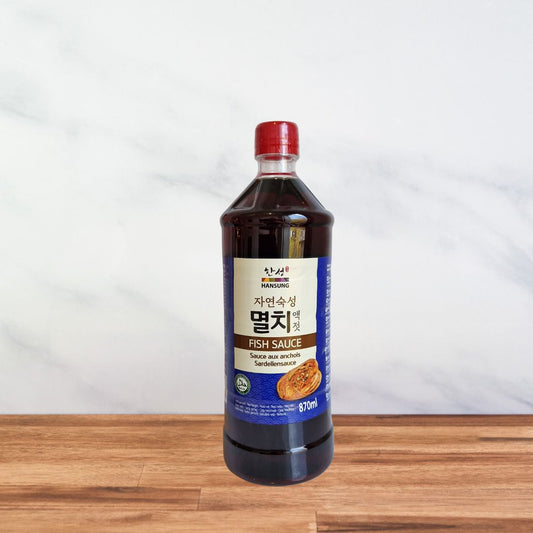
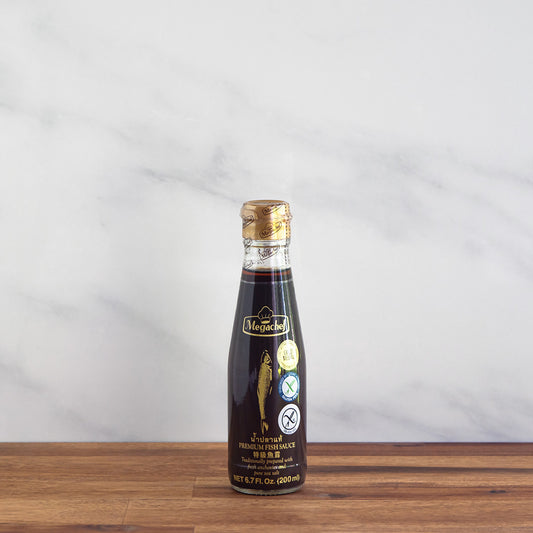
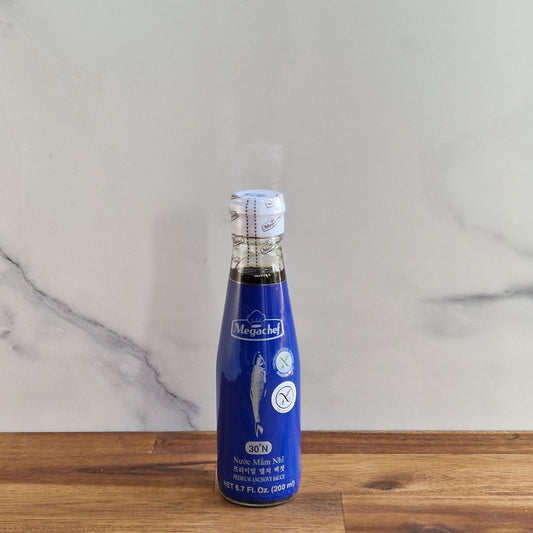
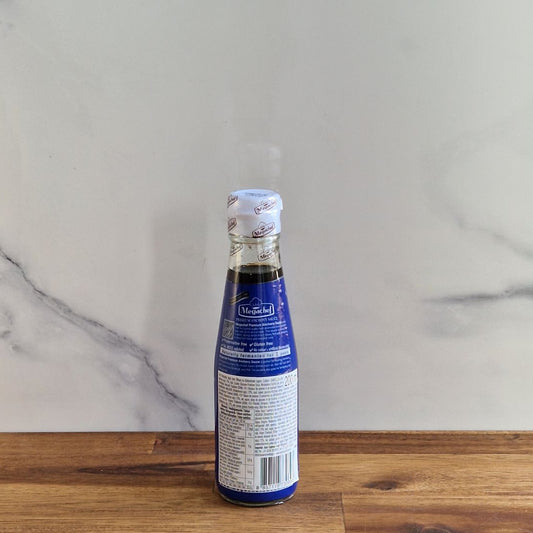
In Korea, it is common to use fish sauce, oyster sauce, Kewpie mayonnaise, or sriracha depending on the recipes. Some even serve as substitutes when Korean ingredients are harder to find in Europe. This is notably the case with Megachef anchovy sauce, which is a recognized alternative tomyeolchi aekjeotfor preparing homemadekimchi.
Our goal is not to offer a "100% Korean" selection at all costs, but to bring together the sauces actually used for daily cooking, whether they are Korean or from other Asian culinary traditions.
How to choose your Korean sauce when you are a beginner?
If you are new to Korean cooking, there is no need to buy ten sauces at once. Start with a Sempio tteokbokki sauce, choosing the spicy or sweet and spicy version depending on your sensitivity to chili. Then add a very versatile Bibigo fried chicken sauce, as well as kimchi mayonnaise to easily spice up burgers, sandwiches, or rice bowls.
This collection is ideal for discovering Korean cuisine without breaking the bank: the products are offered between€1.45 and €6.90, which allows you to try several recipes at a lower cost.
Our selection of sauces at Korea Store
Our selection brings together leading brands such asSempio, Bibigo, Chung Jung OneandSurasang, supplemented by some Asian specialists such asMegachef, Lee Kum Kee, KewpieandOtafuku, chosen for the quality and consistency of their products. Whether you are looking for tteokbokki sauce, fried chicken sauce, anchovy sauce, or an everyday condiment, you will find everything you need to cook easily at home.
All sauces in this collection can be stored atroom temperature before opening, thenin the refrigerator after opening. To complete your pantry, also findour Korean savory grocery store.
 Sold out
 Sold out
 Sold out