Korean rice, an essential ingredient in Korean cuisine
Rice accompanies most meals in Korea and features in many traditional recipes. Its naturally soft, slightly sticky texture makes it the ideal base for bibimbap, gimbap or simply a bowl of rice served with banchan.
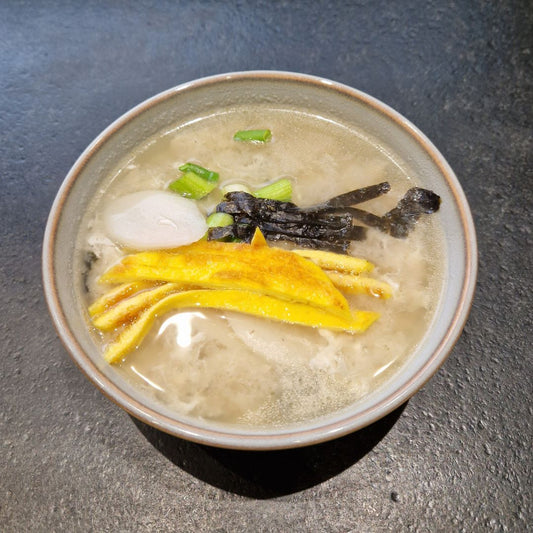
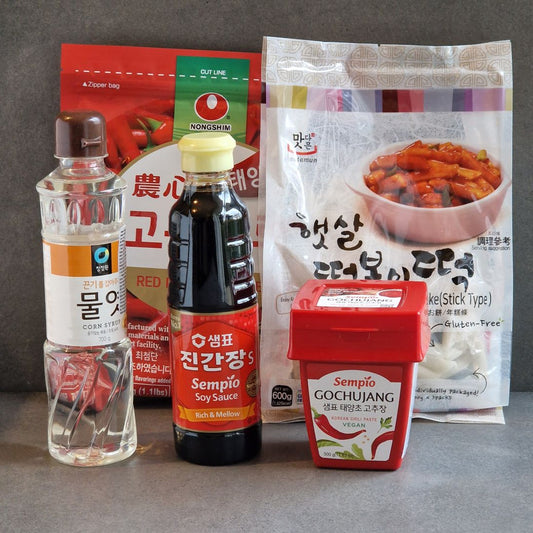
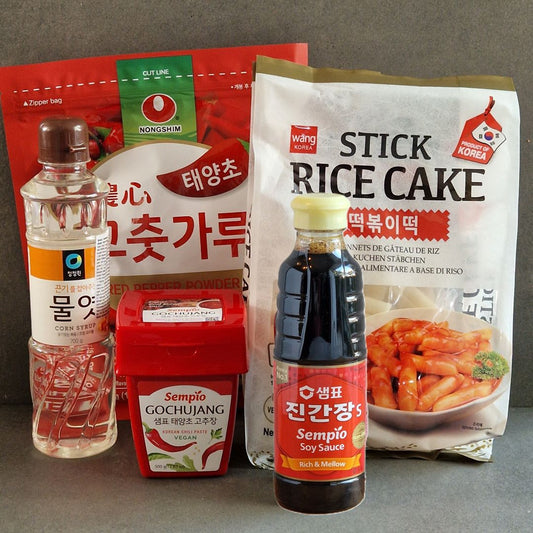
Tteok also hold an important place in Korean cuisine. Made mainly from rice flour, they are used both in savoury dishes such as tteokbokki and in more traditional recipes such as tteokguk.
At Korea Store, you will find short-grain round rice suited to Korean cooking, ready-to-cook tteok and instant tteokbokki to easily prepare these specialties at home.
Which Korean rice should you choose?
Choosing a Korean rice depends above all on your cooking habits. A 450 g bag is ideal for discovering Korean cuisine or preparing a few meals, while the 1 kg, 2 kg or 5 kg formats are better suited to regular use. If you would like to explore our full range of Korean round rice, you will find the different formats and products in this collection.
Our selection includes the brands Yejimi, Kimpo and Ssaljip, as well as Shinode, a japonica rice grown in Italy. Unlike the other products, it is not a rice of Korean origin, but a short-grain rice whose texture is perfectly suited to preparing Korean dishes.
All these rices offer the soft, slightly sticky texture sought for bap (밥), bibimbap or gimbap. Although it is sometimes called sticky rice, it is not the glutinous rice used for Asian desserts, but a short-grain round rice naturally rich in starch.
Tteok: two shapes, two dishes
Not all tteok are used in the same way. The rule is simple: tteok sticks are meant for tteokbokki, while sliced tteok are used to make tteokguk, the traditional soup eaten during Seollal, the Korean New Year. Choosing the right shape gives you the expected texture and result.
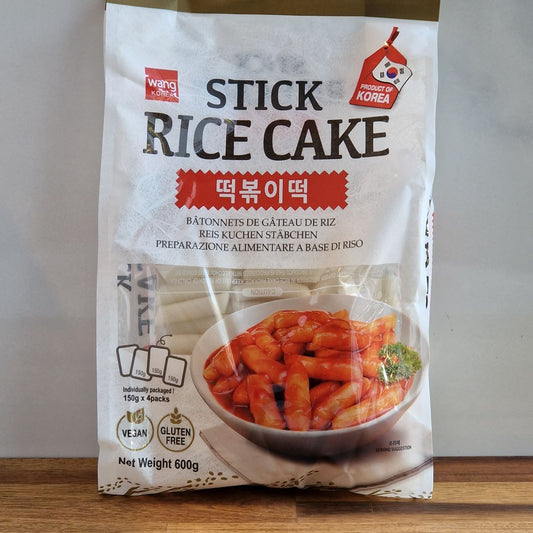
Tteok rice cakes are made of 99% rice and their shape directly affects how they cook. The sticks stay firm and chewy in the thick, spicy sauce typical of tteokbokki, one of the most popular dishes of Korean street food. The thinner slices cook quickly in a broth and become tender without falling apart.
To prepare the right dish, it is therefore important to choose the appropriate format. Browse our selection of tteok rice cakes, with the different shapes depending on the recipe you want to make.
How to cook rice and tteok
Ideally, Korean rice is cooked in a rice cooker following the manufacturer's instructions. If you cook it in a pan, choose one with a tight-fitting lid. Rinse the rice two to three times, gently rubbing the grains between your fingers until the water runs clear, to remove some of the starch. Then add about one and a half volumes of cold water for one volume of rice, bring to the boil over high heat, then cook for 10 minutes over medium heat. Finally, turn off the heat and let it rest for 10 minutes without lifting the lid. This method gives you soft rice, ideal for bibimbap, gimbap or a bowl of bap.
Preparing tteok is just as simple, but one step is essential: soaking. Soak the rice cakes in hot water for about ten minutes so that they become soft all the way through. For tteokbokki, continue cooking for 3 to 5 minutes directly in the sauce. For tteokguk, cook the slices for 5 to 7 minutes in the broth, until they are tender without falling apart.
To go further, see our tteokbokki recipe and also discover tteokguk, the New Year soup.
Our selection at Korea Store
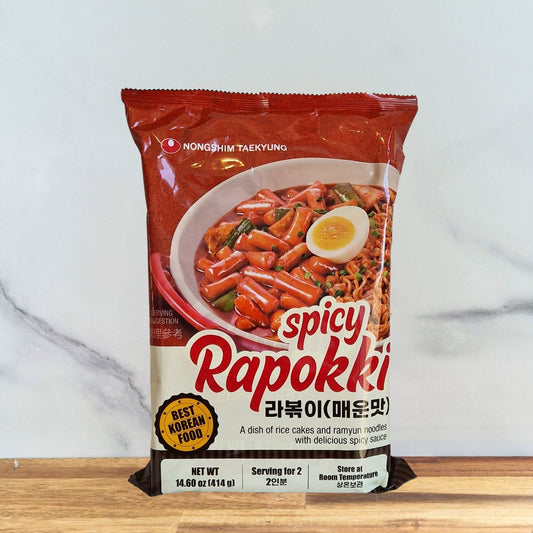
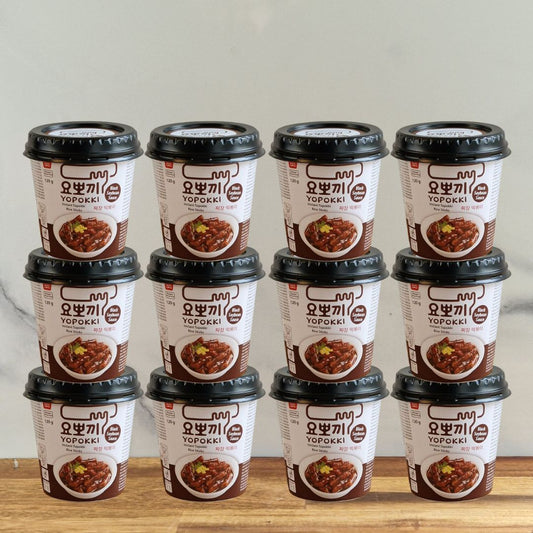
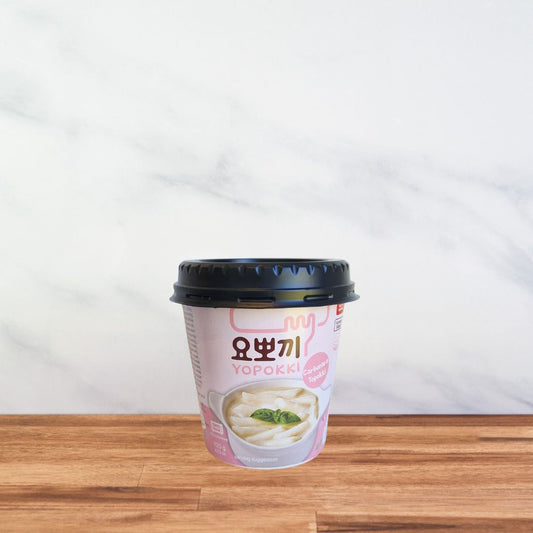
Our collection brings together everything you need to cook the main Korean rice-based specialties. You will find short-grain round rice in different formats, tteok rice cakes made of 99% rice for tteokbokki or tteokguk, as well as instant tteokbokki, a convenient way to discover this Korean street food specialty at home.
To easily make the traditional New Year soup, also discover our tteokguk recipe kit. All our products are shipped throughout France and keep at room temperature before opening, with no need for refrigerated delivery.
 Sold out
 Sold out
 Sold out