What is a Korean fermented paste (jang)?
The term jang (장) refers to the main fermented pastes used in Korean cuisine. They hold a place comparable to broths, mother sauces, or fundamental seasonings in other culinary traditions.
Most of these products originate from meju, blocks of soybeans fermented using a traditional Korean method. From this base, doenjang, Korean soy sauce (ganjang), and many other iconic fermented products are made.
Fermentation plays an essential role in flavor development. Depending on the recipes and production methods, maturation times can vary from a few months to several years, giving rise to very different flavor profiles.
Gochujang, doenjang, ssamjang: how to distinguish them?
These three fermented pastes are among the most used ingredients in Korean cuisine.
Gochujang—a fermented red chili paste combining spiciness, sweetness, and umami. It is notably used in the preparation of tteokbokki, bibimbap, and many marinades.
Doenjang—a fermented soybean paste with a deep, salty taste. Often compared to Japanese miso, it generally has a more intense flavor and a more rustic texture.
Ssamjang—a preparation made from doenjang and gochujang, enriched according to recipes with garlic, sesame, and other seasonings. It traditionally accompanies Korean grilled meats served in lettuce wraps.
To discover Korean fermented flavors, gochujang is often an accessible first approach due to its great versatility.
Beyond the trio: lesser-known fermented pastes
The jang family is not limited to the most well-known references.
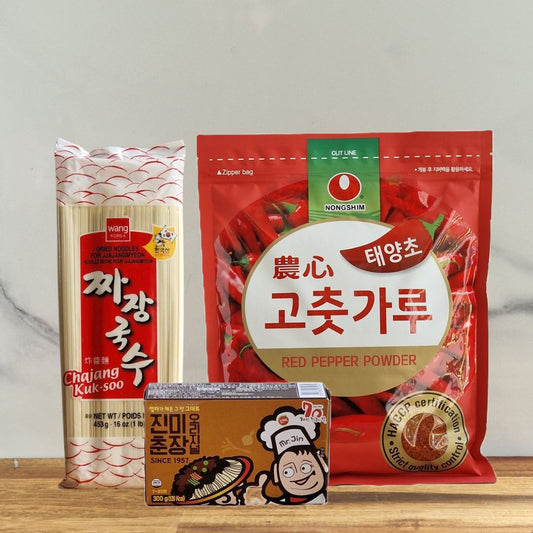
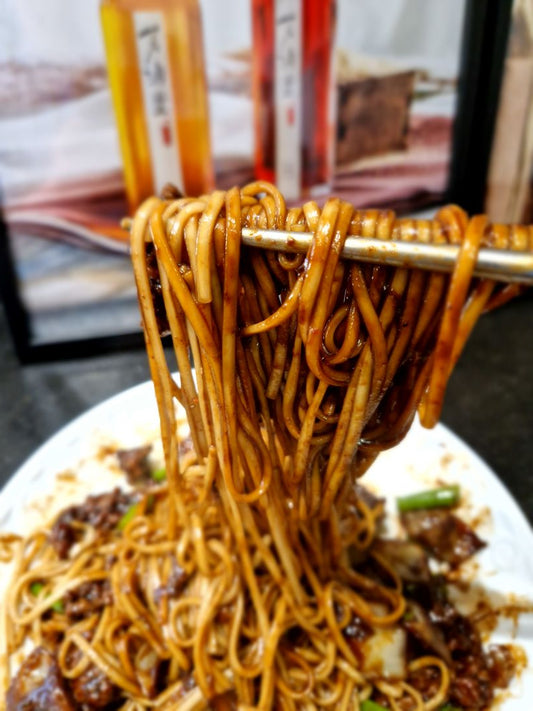
Jjajang is a fermented black bean paste used inthe preparation of jjajangmyeon, famous noodles topped with black sauce. Cho-gochujang combines gochujang and vinegar to create a livelier seasoning, often served with seafood or certain cold dishes.
There are also more confidential fermented pastes made from specific varieties of soybeans or particular maturation methods. These products attest to the richness of Korean fermentation heritage and the talent of our artisan partners.
How to use Korean fermented pastes?
Each fermented paste has its preferred uses.
Gochujang is used in sauces, marinades, stir-fries, and some stews. Doenjang is particularly present in soups, broths, and seasoned vegetables. Ssamjang, on the other hand, accompanies grilled meats and Korean barbecue meals.
Since these products are naturally rich in salt and fermented flavors, it is generally best to incorporate them gradually and then adjust the seasoning at the end of preparation.
Branded or artisanal fermented paste: which to choose?
Fermented pastes from major Korean brands are a good introduction to Korean cuisine. They offer balanced flavor profiles, suitable for everyday recipes and for discovering the main culinary uses.
Artisanal productions often rely on traditional natural fermentation methods and longer maturation periods. They generally develop more complex aromas and allow for exploration of other facets of Korean fermentation culture.
These two approaches are complementary and meet different uses depending on recipes and individual preferences.
Our selection of fermented pastes at Korea Store
Our selection includes both essential references of Korean cuisine and more specialized artisanal products.
Brands like Sempio, Bibigo, or O'Food offer the main jangs used daily: gochujang, doenjang, and ssamjang. For lovers of traditional fermentation, we also offer artisanal pastes likeJookjangyeon's artisanal gochujangandJookjangyeon's artisanal doenjang, fermented using traditional methods with maturation periods that count in years. These products are part of expertise passed down through several generations.
You can supplement these ingredients with our selection ofKorean sauces and condimentsto build a pantry suitable for homemade Korean cuisine.