Korean seaweed, an everyday ingredient
In Korean, 해조류 (haejoryu) refers to all edible seaweed. In Korea, it is part of everyday cooking: it accompanies rice, goes into soups and is also used to prepare broths. Among the most common are gim 김, sometimes transcribed kim, miyeok 미역, sometimes written miyuk, and dashima 다시마.
These three Korean names correspond to the families that are mostly known under their Japanese names, nori, wakame and kombu. They are not simply translations, however: the finished products can differ in their harvest, cut, thickness or seasoning. It is therefore the intended use that makes it possible to choose between the different Korean dried seaweeds.
Gim, miyeok, dashima: which one to choose?
The main mistake is to regard the three seaweeds as interchangeable. They are not: gim is eaten dry, miyeok is rehydrated and dashima is mainly used to infuse broths.
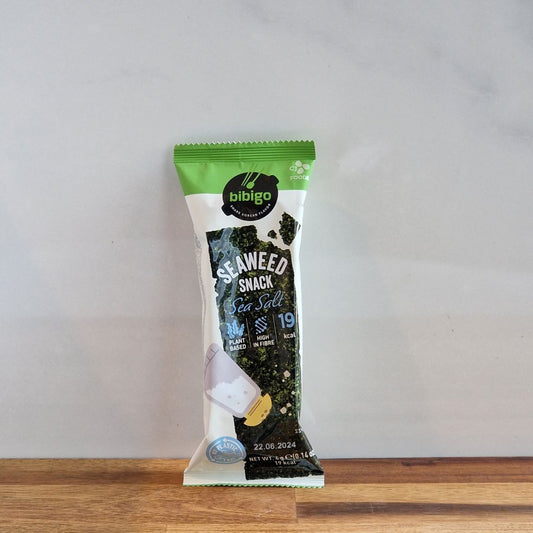
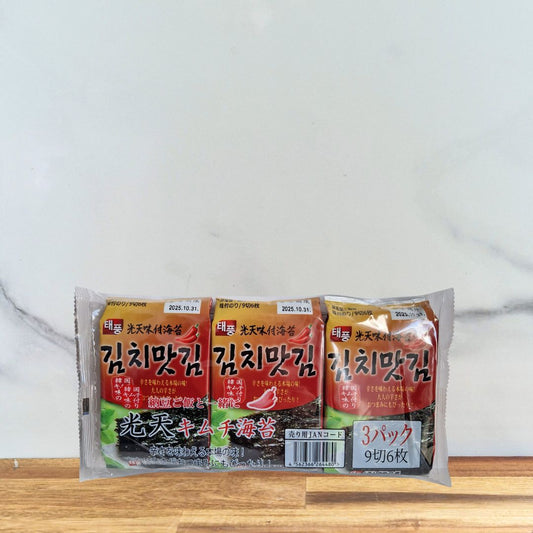
- Gim 김 (nori) — Thin roasted sheets, often oiled and salted — To eat as is, with rice, in gimbap or crumbled into flakes — Eaten dry, with no preparation
- Miyeok 미역 (wakame) — Brown seaweed dried in pieces, which swells a great deal — Soups and salads, notably miyeok-guk and miyeok-muchim — Rehydrate for 10 to 15 min in cold water
- Dashima 다시마 (kombu) — Wide, thick and firm strips — Broths and Korean dashi — Infuse in water, then remove
For rice, gimbap or a seaweed to eat straight away, go for gim, Korean roasted seaweed. For soups and salads that call for a rehydrated seaweed, miyeok, Korean wakame seaweed is the right format. To prepare a broth, choose dashima, Korean kombu seaweed instead.
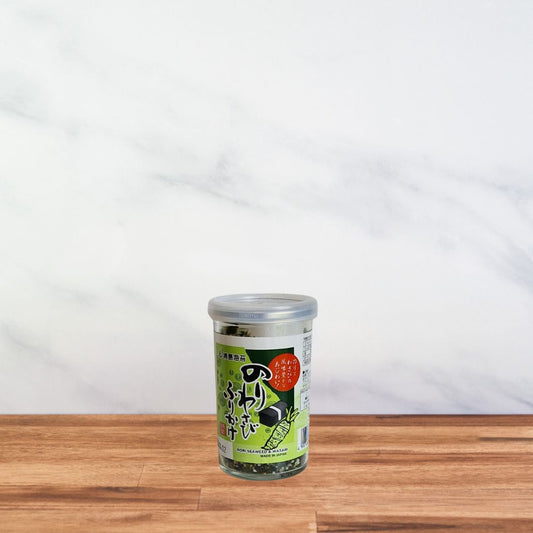
Seaweed chips are another use of gim: they are a fried, seasoned snack, notably with sesame, wasabi or barbecue flavor, rather than an ingredient intended for cooking a dish.
Dry, rehydrated, infused: the three techniques
Gim is eaten dry: it does not need to be rehydrated. It can be eaten as is, served with rice or crumbled over a dish.
Miyeok is rehydrated in cold water for 10 to 15 minutes, then drained before use. It swells enormously: 20 g of dried product already makes a large quantity for a family soup. It is therefore better to weigh the seaweed before rehydrating it rather than relying on its volume once swollen.
Dashima is infused in cold water, then heated with the liquid to pass its umami flavor on to the broth. It is then removed before the preparation continues: unlike miyeok, it is not meant to stay in the soup.
These three products have one thing in common: they are dried products. Above all they dislike moisture and keep at room temperature, in their tightly resealed bag or in an airtight container, away from light. The refrigerator is not necessary and can encourage condensation. To find out more about products to store in a dry place, see our guide to the basic dry ingredients of Korean cuisine.
All the seaweed sold at Korea Store is dry and stable at room temperature. No refrigerated product is shipped.
Choosing your Korean seaweed
When you buy Korean seaweed, the first criterion remains the intended use. Format and seasoning matter more than a general presentation of the category: a sheet that is already oiled and salted is not used like a plain seaweed intended for a soup or a broth.
Origin can then refine the choice. Korean seaweed comes in particular from the coastal areas in the south and south-west of the peninsula. For the premium gim offered in the range, the documented origin is the Sinan sea, classified as a biosphere reserve by UNESCO.
Thickness is particularly relevant for dashima: a wide, thick strip is what you look for when preparing broths. For gim and miyeok, a dark green, even and glossy color notably helps you avoid seaweed that is visibly dull.
Finally, choose the pack size according to how often you use it: a small format lets you try a product, while a large bag is better suited to regular use. Miyeok is available in 20 g and 150 g in the range, among others. To vary your dishes, also discover our selection of Korean winter soups.
The Korea Store range focuses on the formats actually used in Korean cooking, with dried products shipped from France.
 Sold out